
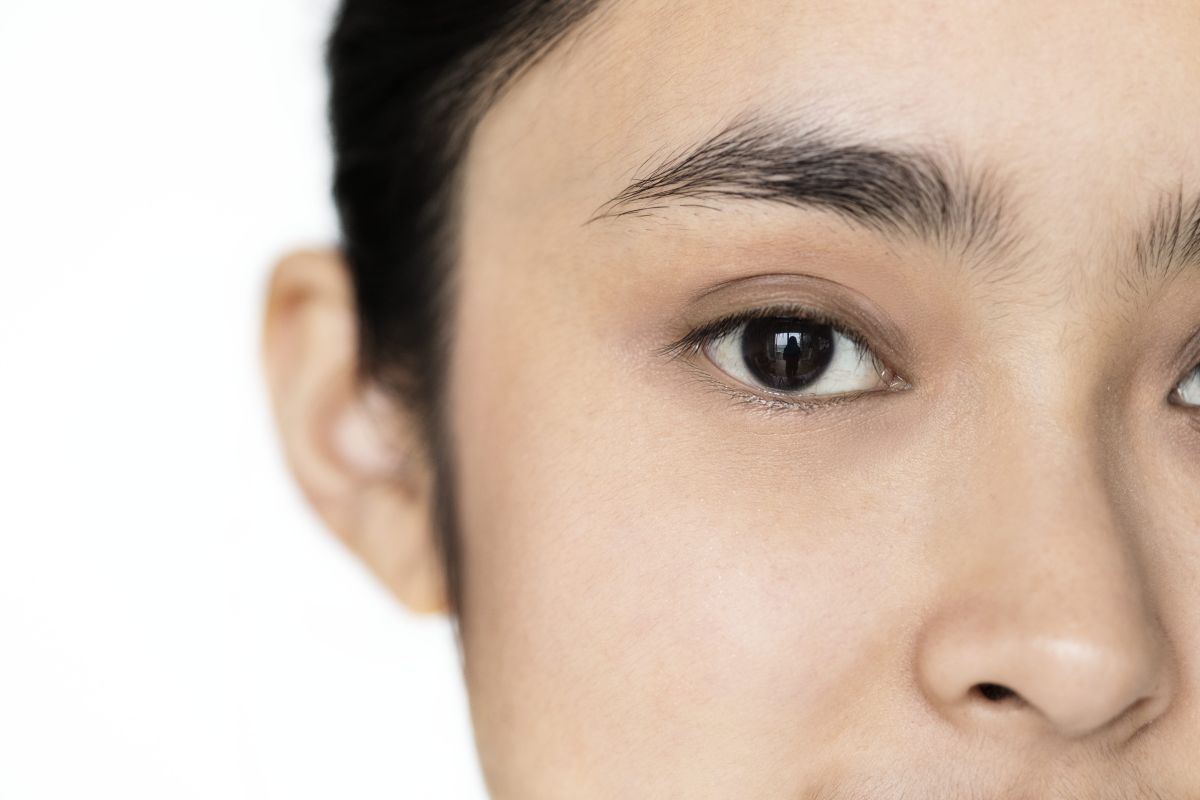
Dark eye circles are a common concern among both men and women in Singapore. They can make a person look tired, older, or less refreshed, even when they feel well-rested.
While dark circles are often blamed on lack of sleep, persistent under-eye darkness is usually more complex. In many cases, dark eye circles are caused by a combination of pigmentation, thinning skin, visible blood vessels, volume loss, genetics, and age-related changes.
Because different causes can create a similar tired-looking appearance, dark eye circles may not improve significantly with eye creams or home remedies alone. Identifying the underlying cause is important, as different types of dark circles often require different treatment approaches.
In this article, we explain the common causes of dark eye circles, the different types of under-eye concerns, and the treatment options available at YRS Medical that may help improve the appearance of tired-looking eyes.
What Are Dark Eye Circles?
Dark eye circles refer to the dark, shadowed, or sunken appearance beneath the eyes. The skin around the eyes is naturally thinner than the skin on the rest of the face, which makes changes in pigmentation, blood vessels, skin quality, and facial volume more noticeable.
This means the under-eye area may appear darker even when the rest of the face looks relatively clear and even-toned.
It is important to understand that dark eye circles are not caused by one single factor. They may be related to:
- Excess pigmentation
- Thin under-eye skin
- Visible blood vessels
- Tear trough hollowing
- Loss of collagen and elasticity
- Genetics
- Age-related volume loss
- Lifestyle factors such as poor sleep or dehydration
In many individuals, several of these factors occur together. This is why dark circles can be difficult to treat with skincare alone.
Dark eye circles are also commonly seen in Asian skin types, where natural pigmentation and genetic tendencies may make under-eye discolouration more noticeable.
The Main Types of Dark Eye Circles
Dark eye circles are not all the same. Different underlying causes can create a similar darkened appearance beneath the eyes. Identifying the type of dark circle is often the first step in choosing the most suitable treatment.
1. Pigmented Dark Circles
Pigmented dark circles usually appear brown or brownish-grey. They occur when excess melanin, or skin pigment, accumulates in the under-eye area.
Common contributing factors include genetics, sun exposure, frequent eye rubbing, allergies, and previous inflammation around the eyes. This type of dark circle is more common in Asian skin types and may become more noticeable over time, especially without adequate sun protection.
2. Vascular Dark Circles
Vascular dark circles often appear blue, purple, reddish, or greyish. They occur when blood vessels beneath the thin under-eye skin become more visible.
This may be related to naturally thin skin, fatigue, allergies, poor circulation, genetics, or age-related skin thinning. Because the eye area is delicate, underlying blood vessels can sometimes show through more easily, creating a darker or more tired-looking appearance.
3. Structural Dark Circles or Tear Trough Hollowing
Structural dark circles are caused by hollowing or volume loss beneath the eyes rather than true pigmentation.
As collagen, fat, and facial support gradually decrease with age, a hollow groove known as the tear trough may become more obvious. This creates shadows beneath the eyes, making the area appear darker, sunken, or tired. In these cases, the darkness is often caused by shadowing rather than actual skin colour changes.
4. Skin Ageing and Reduced Skin Quality
Age-related skin changes can also contribute to dark eye circles. As collagen and elastin levels decline, the under-eye skin may become thinner, less firm, and more prone to fine lines or crepey texture. These changes can make pigmentation, blood vessels, and hollowing more visible.
For many patients, skin ageing occurs together with pigmentation, vascular changes, or tear trough hollowing, which is why a combined treatment approach may sometimes be recommended.
Common Causes of Dark Eye Circles
Dark eye circles can develop for many reasons, and more than one factor may be involved. Common contributing causes include:
Sun Exposure
Excessive UV exposure can increase pigmentation around the eyes, making brown-toned dark circles more prominent. Sun protection is especially important for individuals prone to pigmentation.
Ageing and Volume Loss
As collagen, fat, and skin elasticity naturally decline with age, the under-eye area may become thinner and more hollow. This can create shadowing and make the eyes look more tired.
Thin Under-Eye Skin
Some individuals naturally have thinner skin beneath the eyes. This can make blood vessels and underlying structures more visible, contributing to a darker appearance.
Genetics
Family history plays an important role. Some individuals are naturally more prone to pigmentation, visible under-eye vessels, or tear trough hollowing regardless of lifestyle habits.
Lack of Sleep and Fatigue
Poor sleep does not usually cause dark circles on its own, but it can make them look worse. Fatigue may increase under-eye dullness, puffiness, and visibility of blood vessels.
Allergies and Eye Rubbing
Allergies can cause inflammation, irritation, and frequent rubbing of the eyes. Over time, this may worsen pigmentation and skin sensitivity around the eye area.
Dehydration
When the body is dehydrated, the under-eye area may appear more sunken or dull, making existing dark circles more noticeable.
Hormonal Changes
Hormonal fluctuations may influence skin pigmentation and fluid retention, which can contribute to under-eye darkening or puffiness in some individuals.
How Are Dark Eye Circles Assessed?
A proper assessment is important before deciding on treatment because dark eye circles can have different underlying causes.
During a consultation at YRS Medical, our doctor will assess the under-eye area to determine whether the dark circles are mainly caused by pigmentation, visible blood vessels, hollowing, skin ageing, or a combination of these factors. The assessment may include evaluating:
- Skin tone and pigmentation
- Skin thickness and texture
- Under-eye blood vessel visibility
- Tear trough hollowing
- Fine lines and skin laxity
- Facial structure and cheek support
- Lifestyle factors and medical history
- Previous treatments or skincare use
This allows a personalised treatment plan to be recommended based on your specific concerns, anatomy, and aesthetic goals.
Dark Eye Circle Treatments at YRS Medical
Because dark eye circles can develop from different causes, there is no single treatment that works for everyone. At YRS Medical, treatment recommendations are tailored according to the underlying cause of the dark circles. Depending on your assessment, options may include skin boosters, collagen-stimulating injectables, regenerative treatments, or dermal fillers.
1. Salmon DNA Skin Booster
Salmon DNA skin boosters, also known as polynucleotide-based skin boosters, are commonly used to improve skin quality around the delicate under-eye area.
These treatments support the skin’s natural repair processes, improve hydration, and stimulate collagen production over time. As the under-eye skin becomes healthier and better supported, visible blood vessels may appear less prominent.This treatment may also help improve fine lines, skin texture, and overall under-eye skin quality.
Best suited for:
- Vascular dark circles
- Thin under-eye skin
- Fine lines around the eyes
- Tired-looking under-eyes
- Overall skin quality improvement
When can results be seen?
Initial improvements in hydration may be noticed within a few weeks. Collagen-related improvements usually develop gradually over approximately 2 to 3 months.
Expected downtime:
Mild redness, swelling, or small injection marks may occur and commonly improve within 1 to 3 days.
2. PDLLA Collagen Skin Booster
PDLLA collagen skin boosters combine hydrating ingredients with collagen-stimulating particles to improve under-eye skin quality over time. Rather than creating significant volume, this treatment focuses on stimulating collagen production and improving skin firmness, elasticity, and texture. It may be suitable for individuals with early signs of ageing, mild hollowness, fine lines, or thin under-eye skin.
Best suited for:
- Mild structural dark circles
- Fine lines and ageing under-eyes
- Thin under-eye skin
- Mild under-eye hollowing
- Skin texture and elasticity concerns
When can results be seen?
Hydration-related improvements may be visible within several days, while collagen stimulation develops progressively over approximately 4 to 12 weeks.
Expected downtime:
Mild redness, swelling, or injection marks may occur and generally improve within a few days.
3. ECM Skin Booster
ECM skin boosters focus on supporting the skin’s extracellular matrix, which plays an important role in maintaining skin structure, hydration, elasticity, and overall skin quality.
Rather than targeting only one concern, ECM-based treatments are often used for overall under-eye rejuvenation. By improving the skin environment, they may help address multiple age-related changes that contribute to dark circles, including thin skin, reduced elasticity, fine lines, and dull-looking under-eyes.
Best suited for:
- Overall under-eye rejuvenation
- Thin and ageing under-eye skin
- Fine lines and texture concerns
- Dull or tired-looking eyes
- Comprehensive skin quality improvement
When can results be seen?
Improvements usually develop progressively over approximately 4 to 8 weeks. Multiple sessions may be recommended depending on the individual’s skin condition and goals.
Expected downtime:
Mild redness, swelling, or small injection marks may occur and commonly improve within 2 to 5 days.
4. Hyaluronic Acid Skin Booster
Hyaluronic acid skin boosters are designed to improve hydration and moisture retention within the skin. When the under-eye area is dry or dehydrated, it may appear dull, crepey, or tired. By improving hydration, hyaluronic acid skin boosters may help the under-eye area look smoother, fresher, and healthier. These treatments are generally more suitable for patients whose concerns are related to dryness, dullness, or mild fine lines rather than significant hollowing.
Best suited for:
- Dry or dehydrated under-eye skin
- Dull-looking skin
- Mild fine lines related to dehydration
- Overall skin hydration
When can results be seen?
Many individuals notice hydration improvements within several days after treatment.
Expected downtime:
Downtime is usually minimal. Mild redness may occur and typically improves within 24 hours.
5. Dermal Fillers
For individuals whose dark circles are mainly caused by tear trough hollowing or volume loss, dermal fillers may be considered. Dermal fillers help restore support beneath the under-eye area, reducing shadowing caused by hollowness. This can make the under-eye region appear smoother, less sunken, and more refreshed. However, fillers are not designed to treat pigmentation or visible blood vessels. In some cases, fillers may be combined with skin quality treatments for a more comprehensive approach.
Best suited for:
- Hollow tear troughs
- Structural dark circles
- Shadow-related under-eye darkness
- Age-related volume loss
- Sunken-looking under-eyes
When can results be seen?
Results are generally visible shortly after treatment, although the final result is usually assessed after any swelling has settled.
Expected downtime:
Mild swelling or bruising may occur and commonly improves within approximately 2 to 7 days.
Which Treatment Is Suitable for Your Dark Eye Circles?
The most suitable dark eye circle treatment depends on the underlying cause.
| Type of Concern | Possible Treatment Options |
| Brown pigmentation | Pigment-focused treatments, skincare, sun protection |
| Blue, purple, or vascular darkness | Salmon DNA skin booster, skin quality treatments |
| Thin under-eye skin | Skin boosters, collagen-stimulating treatments |
| Tear trough hollowing | Dermal fillers, collagen-stimulating treatments |
| Fine lines and crepey skin | PDLLA skin booster, ECM skin booster, hyaluronic acid skin booster |
| Mixed dark circles | Combination treatment plan |
Many individuals have mixed dark circles, meaning more than one factor contributes to the tired-looking appearance. In such cases, a personalised combination approach may be more suitable than a single treatment.
Book a Dark Eye Circle Consultation in Singapore
Dark eye circles can develop due to pigmentation, visible blood vessels, volume loss, thinning skin, or age-related changes around the eyes. Since every individual has a different combination of contributing factors, treatment should be tailored accordingly.
At YRS Medical, our doctors perform a detailed assessment of the under-eye area before recommending a personalised treatment plan. Depending on your concerns, suitable options may include dermal fillers, collagen-stimulating injectables, skin boosters, or regenerative treatments designed to improve overall under-eye skin quality.
If you are considering dark eye circle treatment in Singapore, schedule a consultation with our medical aesthetic team to discuss your concerns and explore suitable treatment options tailored to your needs.
Book your consultation today and take the first step towards brighter, fresher-looking eyes!