
Blog Article

Stay informed with our featured articles related to medical treatment and aesthetic topics.

dull skin
Dull Skin Treatment Singapore: What Causes Dull Skin and Which Treatments May Help?

Healthy skin is constantly renewing itself through a natural process of cell turnover, hydration, and collagen production. When these processes become less efficient due to ageing, sun exposure, environmental stress, or lifestyle factors, the skin may gradually lose its natural radiance and appear dull, rough, or uneven.

Dull skin is therefore not simply a cosmetic concern but often reflects changes in overall skin health. Depending on the underlying cause, treatment may focus on improving hydration, supporting collagen production, enhancing skin renewal, or addressing uneven skin texture.

This article explains the common causes of dull skin and explores the treatment options available at YRS Medical Clinic that may help restore brighter, healthier-looking skin.

What Is Dull Skin?

Dull skin refers to skin that has lost its natural radiance and healthy glow. Instead of appearing smooth and luminous, the complexion may look tired, uneven, rough, or lack vibrancy. Many people also notice that their skin feels dry, looks flat under natural light, or no longer reflects light evenly.

Healthy skin naturally renews itself by shedding old skin cells and replacing them with new ones. When this renewal process slows or the skin becomes dehydrated or damaged, dead skin cells can build up on the surface. This reduces the skin’s ability to reflect light evenly, making it appear dull and less refreshed. Dull skin is also commonly associated with concerns such as:

  • Uneven skin texture
  • Enlarged pores
  • Dehydrated skin
  • Fine lines
  • Uneven skin tone
  • Early signs of skin ageing

What Causes Dull Skin?

Understanding what causes dull skin is important because different underlying factors may require different treatment approaches.

Slower Skin Cell Turnover

Healthy skin continuously sheds dead skin cells and produces new ones. As we age, this natural renewal process gradually slows down, allowing dead skin cells to accumulate on the surface. This buildup can make the skin feel rough, reduce its ability to reflect light, and contribute to a tired or lacklustre appearance.

Dehydrated Skin

Hydration plays an important role in maintaining smooth, supple, and radiant skin. When the skin lacks moisture, it may appear dry, rough, or tight while fine dehydration lines become more noticeable. A weakened skin barrier can also reduce the skin’s ability to retain moisture, making dullness more apparent over time.

Sun Damage

Singapore’s tropical climate means daily exposure to ultraviolet (UV) rays throughout the year. Prolonged sun exposure may increase melanin production, contribute to uneven pigmentation, and accelerate collagen breakdown. Over time, this can affect overall skin tone, texture, and radiance, causing the complexion to appear uneven and dull.

Ageing and Collagen Loss

Collagen and elastin are proteins that help keep the skin firm, smooth, and resilient. Natural collagen production gradually declines with age, causing the skin to become thinner and less elastic. As structural support decreases, the skin may lose its youthful glow while fine lines, mild skin laxity, and uneven texture become more noticeable.

Enlarged Pores and Uneven Skin Texture

Enlarged pores, acne scars, and uneven skin texture can affect how light reflects off the skin surface. Rather than reflecting evenly, light scatters across rough skin, making the complexion appear dull.

Lifestyle and Environmental Factors

Daily lifestyle habits and environmental exposure can also affect your skin’s overall health and appearance. Over time, these factors may weaken the skin barrier, increase oxidative stress, and slow the skin’s natural repair and renewal processes. Common contributing factors include:

  • Chronic stress
  • Lack of sleep
  • Prolonged exposure to air conditioning
  • Inadequate hydration
  • Inconsistent skincare routines

Which Treatments May Help Improve Dull Skin?

The most suitable treatment for dull skin depends on its underlying cause. Some individuals may mainly experience dehydration, while others may have uneven skin texture, enlarged pores, collagen loss, or early signs of skin ageing. Because these concerns often overlap, your doctor may recommend one treatment or a combination of treatments to improve overall skin quality.

At YRS Medical Clinic, treatments for dull skin generally fall into three categories: skin booster injections, medical facial treatments, and exosome facial therapy. Each works differently to improve skin hydration, texture, collagen production, and overall radiance.

Skin Booster Treatments for Dull Skin

Skin booster treatments deliver skin-rejuvenating ingredients into the deeper layers of the skin to improve hydration, stimulate collagen production, and support overall skin quality. Unlike topical skincare products, these injectable treatments work beneath the skin’s surface to address concerns associated with dullness, dehydration, uneven texture, and early skin ageing.

  • Hyaluronic Acid Skin Booster
    • Hyaluronic acid skin boosters help replenish moisture within the skin, improving hydration, softness, and overall radiance. They are commonly recommended for individuals with dry or dehydrated skin that appears dull or tired.
  • 5-Point Injection Skin Rejuvenation
    • This injectable treatment delivers skin-rejuvenating ingredients through strategically placed injection points across the face to improve overall skin quality. It is commonly used to support hydration, skin vitality, and a healthier-looking complexion.
  • NCTF Skin Booster
    • NCTF Skin Booster contains hyaluronic acid together with vitamins, amino acids, minerals, antioxidants, and coenzymes that help nourish the skin. It supports hydration, skin renewal, and overall skin vitality, making it suitable for individuals experiencing dull or fatigued-looking skin.
  • PDLLA + HA Collagen Skin Booster
    • This treatment combines hyaluronic acid with collagen-stimulating particles to improve hydration while supporting gradual collagen production. It may help improve skin texture, enlarged pores, and skin firmness over time.
  • Salmon DNA Skin Booster
    • Salmon DNA Skin Booster supports the skin’s natural repair and regeneration processes while improving hydration and skin quality. It is often recommended for individuals with tired-looking, sensitive, or stressed skin.
  • PLLA Collagen Stimulator
    • PLLA Collagen Stimulator encourages the body’s natural collagen production to improve skin firmness and overall skin quality gradually. It may be recommended for ageing skin that has lost elasticity and radiance.
  • ECM Skin Booster
    • ECM Skin Booster supports the skin’s extracellular matrix, helping improve collagen, elastin, hydration, and skin resilience. It focuses on enhancing overall skin quality, making it suitable for individuals seeking comprehensive skin rejuvenation.

Facial Treatments for Dull Skin

Medical facial treatments focus on cleansing, exfoliating, hydrating, and nourishing the skin. They are suitable for maintaining healthy skin, improving hydration, and supporting smoother, brighter-looking skin with little to no downtime.

  • Hydradermal Facial
    • This facial combines deep cleansing, gentle exfoliation, pore purification, and serum infusion to improve hydration and refresh the skin.
  • Intense Hydration Facial
    • Designed for dry and dehydrated skin, this facial replenishes moisture while strengthening the skin barrier, leaving the complexion softer, smoother, and more radiant.
  • Thorough Cleanse Facial
    • This treatment focuses on removing excess oil, impurities, and dead skin cells that may contribute to a dull complexion. It helps refresh the skin and improve overall clarity.
  • Anti-Ageing Rejuvenation Facial
    • This facial combines skin-rejuvenating ingredients to improve hydration, support collagen production, and enhance overall skin vitality. It is commonly recommended for individuals experiencing early signs of skin ageing together with dull skin.

Exosome Facial Therapy for Dull Skin

Exosome Facial Therapy is a regenerative treatment designed to support the skin’s natural repair and renewal processes. By improving cellular communication and encouraging healthier skin function, the treatment may enhance hydration, skin texture, collagen production, and overall radiance over time. At YRS Medical Clinic, Exosome Facial Therapy can be personalised according to different skin concerns.

  • Brightening Radiance
    • Designed for individuals with dull or uneven skin tone, this treatment supports skin renewal and helps improve overall luminosity for a brighter, healthier-looking complexion.
  • Hydrating Healer
    • Suitable for dehydrated, sensitive, or stressed skin, this treatment focuses on restoring moisture balance while supporting skin barrier recovery and overall skin health.
  • Timeless Lift
    • This treatment supports collagen production and skin elasticity to improve firmness while helping ageing skin appear smoother, healthier, and more refreshed.

Which Treatment May Be Suitable for Your Skin?

The most suitable treatment depends on the underlying cause of your dull skin. Some individuals may benefit from treatments that improve hydration, while others may require collagen stimulation, skin renewal, or regenerative therapies to enhance overall skin quality.

The table below provides a general guide to the treatments that may be recommended for different skin concerns. During your consultation, your doctor will assess your skin condition and recommend a personalised treatment plan based on your individual concerns and treatment goals.

Skin Concern

Treatment Category

Treatments That May Help

Dull and tired-looking skin Exosome Facial Therapy Brightening Radiance, Hydrating Healer
Dehydrated or dry skin Skin Booster / Facial Treatment Hyaluronic Acid Skin Booster, NCTF Skin Booster, Intense Hydration Facial, Hydrating Healer
Uneven skin texture Skin Booster / Exosome Therapy PDLLA + HA Collagen Skin Booster, ECM Skin Booster, Brightening Radiance
Loss of skin radiance Exosome Facial Therapy Brightening Radiance
Early signs of skin ageing Skin Booster / Exosome Therapy PLLA Collagen Stimulator, ECM Skin Booster, Timeless Lift
Mild skin laxity Skin Booster / Exosome Therapy PLLA Collagen Stimulator, ECM Skin Booster, Timeless Lift
Overall skin rejuvenation Combination Treatments ECM Skin Booster, NCTF Skin Booster, Exosome Facial Therapy, Anti-Ageing Rejuvenation Facial
Congested or rough skin Facial Treatment Hydradermal Facial, Thorough Cleanse Facial

How Can You Help Prevent Dull Skin?

While aesthetic treatments may help improve dull skin, maintaining healthy skin habits plays an important role in preserving a brighter and more radiant complexion. Supporting your skin through proper skincare, sun protection, and healthy lifestyle choices can help reduce factors that contribute to dullness over time. Some practical steps that may help keep your skin looking healthy include:

  • Wear sunscreen every day to protect the skin from UV damage, which can contribute to uneven skin tone and premature ageing.
  • Keep your skin well hydrated by drinking enough water and using skincare products that help maintain moisture levels.
  • Cleanse your skin gently to remove excess oil, dirt, sunscreen, and makeup without disrupting the skin barrier.
  • Moisturise regularly to support the skin’s natural protective barrier and reduce moisture loss.
  • Get enough sleep to allow the skin time to repair and renew itself overnight.
  • Eat a balanced diet rich in vitamins, minerals, antioxidants, and healthy fats to support overall skin health.
  • Exfoliate appropriately to remove dead skin cells and promote smoother, brighter-looking skin, while avoiding excessive exfoliation that may irritate the skin.

Find the Right Treatment for Your Dull Skin at YRS Medical Clinic

The most suitable treatment for dull skin depends on what is contributing to your skin concerns. Some individuals benefit from treatments that restore hydration, while others may require collagen stimulation, skin rejuvenation, or regenerative therapies to improve overall skin quality.

At YRS Medical Clinic, our doctors will assess your skin and recommend a personalised treatment plan based on your concerns, skin condition, and aesthetic goals. We offer a comprehensive range of skin boosters, medical facial treatments, and exosome facial therapies tailored to your individual needs.

Schedule a consultation today to explore suitable treatments for healthier, brighter-looking skin!
How Exosome Facial Therapy Supports Healthier-Looking Skin

Many people notice that their skin gradually becomes duller, drier, rougher, or less firm over time. Even with a consistent skincare routine, factors such as sun exposure, stress, lack of sleep, pollution, and natural ageing can affect how well the skin repairs and renews itself.

This growing interest in skin health has led many individuals to explore treatments that work beyond the skin surface. Exosome facial therapy is one such treatment that focuses on supporting the skin’s natural regeneration processes, helping improve hydration, skin texture, radiance, and overall skin quality from within.

In this article, we explore how exosome facial therapy works, the skin concerns it may help address, and the benefits for individuals seeking healthier-looking skin in Singapore.

What Is Exosome Facial Therapy?

Exosome facial therapy is a regenerative skin treatment designed to support the skin’s natural repair and renewal processes. Exosomes are tiny particles naturally released by cells in the body that act as messengers, carrying biological signals between cells to help regulate healing, tissue repair, and cellular communication.

In aesthetic medicine, exosomes are used to support skin rejuvenation by delivering regenerative signals that encourage healthier skin function and recovery. Rather than simply adding hydration or volume to the skin, exosome therapy works by supporting collagen production, skin repair, and cellular renewal, helping the skin become healthier, smoother, and more resilient over time.

How Does Exosome Facial Therapy Work Beneath the Skin?

Once introduced into the skin through suitable delivery methods, exosomes interact with surrounding skin cells and support communication between them. These regenerative signals help encourage collagen and elastin activity, support skin cell renewal, and assist the skin’s natural recovery mechanisms. 

Exosomes may also help support the skin barrier and reduce inflammatory processes that contribute to skin ageing and sensitivity. As these processes develop gradually, the skin may appear smoother, brighter, firmer, and healthier over time.

What Skin Concerns Can Exosome Facial Therapy Address?

Exosome facial therapy is commonly used to support overall skin rejuvenation by improving the skin’s natural repair and regeneration processes. Rather than targeting a single concern, the treatment focuses on enhancing overall skin quality, making it suitable for individuals experiencing multiple skin concerns at the same time. Common concerns that may be addressed include:

  • Mild skin laxity
  • Dull and tired-looking skin
  • Uneven skin texture
  • Fine lines and early signs of skin ageing
  • Dehydrated skin
  • Enlarged pores
  • Acne scars and post-acne skin concerns
  • Sensitive skin

How Exosomes Support Healthier-Looking Skin?

Supports Collagen and Elastin Production

Collagen and elastin are important structural proteins responsible for skin firmness, elasticity, and resilience. As production naturally declines with age, the skin may gradually become thinner, less elastic, and more prone to fine lines and laxity. Exosome therapy supports the skin environment involved in collagen and elastin production, contributing to gradual improvements in skin quality over time.

Encourages Skin Renewal

Healthy skin constantly renews itself through natural cell turnover processes. However, ageing, stress, and environmental exposure can slow this process. By supporting cellular communication and repair pathways, exosomes may help encourage healthier skin renewal and improve overall skin vitality.

Supports Skin Barrier Recovery

The skin barrier plays an important role in protecting against moisture loss, pollution, irritants, and environmental stressors. When the barrier becomes weakened, skin may become dry, sensitive, irritated, or dull-looking. Exosome therapy may help support barrier recovery and improve the skin’s ability to retain hydration.

Supports Skin Recovery Processes

Exosomes play a role in regenerative medicine by supporting tissue repair and recovery. As a result, healthcare professionals may include exosome facial therapy in treatment plans for individuals seeking skin recovery after aesthetic procedures or environmental stress.

Supports Overall Skin Quality

Rather than targeting a single skin concern, exosome therapy focuses on improving overall skin health. This makes it attractive for individuals looking for a comprehensive skin rejuvenation approach.

What to Expect During Exosome Facial Therapy

Consultation and Skin Assessment

Your treatment begins with a detailed skin assessment to evaluate your skin condition, concerns, lifestyle factors, and treatment goals. Based on your skin quality and individual needs, a personalised treatment plan will be recommended to optimise skin rejuvenation and overall skin health.

During the Treatment

Your treatment begins with a gentle cleanse to remove makeup, excess oil, and surface impurities, ensuring the skin is thoroughly prepared for optimal absorption of the active ingredients.

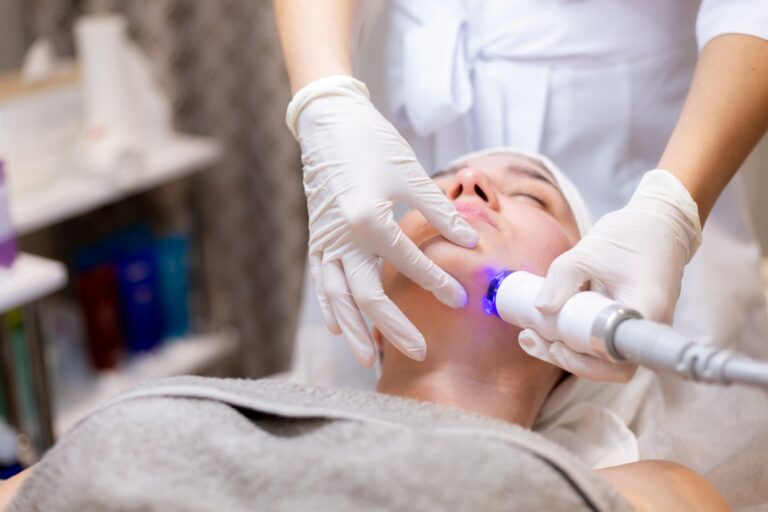
Next, the exosome solution is delivered into the skin using a suitable infusion technique, such as nano-infusion or cryotherapy, depending on your skin condition and your doctor’s recommended treatment protocol. These advanced delivery methods help enhance the penetration of the exosomes into the skin without significant discomfort or downtime.

Throughout the procedure, the treatment remains gentle and non-invasive, with most patients experiencing only minimal sensation. 

Recovery and Downtime

Exosome facial therapy is generally associated with minimal downtime. Some individuals may experience mild redness, sensitivity, or slight warmth immediately after treatment, which typically improves within several hours to one or two days depending on the treatment intensity and skin sensitivity.

Most individuals are able to resume normal daily activities shortly after treatment. Your doctor or therapist may recommend gentle skincare products, regular moisturisation, and diligent sun protection to support skin recovery and optimise treatment outcomes.

Benefits of Exosome Facial Therapy

Exosome facial therapy has become increasingly popular because it focuses on improving overall skin health and supporting the skin’s natural regeneration processes. Rather than targeting only surface-level concerns, the treatment works beneath the skin to encourage repair, renewal, and healthier skin function over time. Some of the potential benefits of exosome facial therapy include:

  • Supports skin repair and regeneration
    • Exosomes help facilitate cellular communication involved in tissue repair and skin renewal, supporting healthier skin from within.
  • Encourages collagen and elastin production
    • By supporting fibroblast activity, exosome therapy may contribute to improvements in skin firmness, elasticity, and overall skin quality.
  • Improves skin texture and smoothness
    • The treatment may help refine uneven texture, minimise the appearance of enlarged pores, and support smoother-looking skin.
  • Enhances skin hydration and radiance
    • Healthier skin function and improved barrier support may contribute to better hydration levels and a more refreshed complexion.
  • Supports recovery following skin stress or procedures
    • Exosome therapy commonly supports skin recovery after environmental stress, acne-related inflammation, or selected aesthetic treatments.
  • Suitable for multiple skin concerns
    • The treatment may benefit individuals experiencing dull skin, early signs of ageing, uneven texture, mild skin laxity, and post-acne skin concerns simultaneously.
  • Minimal downtime
    • Most individuals experience little disruption to their daily routine, making it a convenient option for busy lifestyles.
  • Can be incorporated into personalised treatment plans
    • Depending on your individual goals, your doctor may combine exosome facial therapy with lasers, skin boosters, RF microneedling, or other skin rejuvenation treatments to support overall skin quality.

Discover Your Suitable Treatments for Dark Eye Circles with Us!

Every individual’s skin concerns are different and can be influenced by factors such as ageing, sun exposure, environmental stress, lifestyle habits, and changes in the skin’s natural repair processes. Because these factors vary from person to person, the most suitable treatment approach often requires a personalised assessment.

At YRS Medical Clinic, our doctors perform a detailed skin evaluation to better understand your skin condition, concerns, and treatment goals before recommending a tailored treatment plan. Depending on your individual needs, exosome facial therapy may be recommended as a single treatment or combined with other skin rejuvenation procedures to support skin repair, collagen production, hydration, and overall skin quality improvement.

Schedule a consultation with our medical aesthetic team to explore personalised treatment options for healthier-looking skin!

HIFU Treatment
Why HIFU Is Commonly Chosen for Facial Lifting and Skin Tightening in Singapore

Facial sagging, reduced skin firmness, and loss of jawline definition are common concerns that develop gradually with age. As collagen production slows over time, the skin may lose some of its natural support, leading to looser skin, softer facial contours, and a more tired-looking appearance.

For individuals seeking facial lifting and skin tightening without surgery, High-Intensity Focused Ultrasound, commonly known as HIFU, is a popular non-invasive treatment option in Singapore. By delivering focused ultrasound energy beneath the skin, HIFU helps stimulate collagen production and supports gradual skin tightening, with minimal downtime for most individuals.

In this article, we explain how HIFU works, why it is commonly chosen for facial rejuvenation, and what you can expect before, during, and after treatment.

What Is HIFU Treatment?

High-Intensity Focused Ultrasound, or HIFU, is a non-surgical aesthetic treatment designed to support facial lifting and skin tightening by stimulating collagen production beneath the skin. Unlike treatments that mainly work on the surface of the skin, HIFU delivers focused ultrasound energy into selected deeper tissue layers. This allows the treatment to target areas involved in skin firmness, elasticity, and facial structural support, while leaving the skin surface largely undisturbed.

The focused energy creates controlled thermal stimulation beneath the skin. This activates the body’s natural repair response and encourages collagen remodelling over time. Collagen and elastin are important proteins that help maintain skin firmness, elasticity, and support. As new collagen gradually forms, the treated areas may appear firmer, tighter, and more lifted. Results typically develop progressively over several weeks to months, depending on the individual’s skin condition, age, treatment area, and collagen response.

How Does HIFU Technology Work?

HIFU treatment uses focused ultrasound energy to reach specific layers beneath the skin. These layers may include the superficial dermis, deeper dermis, subcutaneous tissue, and the SMAS layer, which plays an important role in facial support. Different treatment depths may be selected based on the patient’s skin condition, facial anatomy, and treatment goals. This allows HIFU to be tailored to concerns such as:

  • Mild to moderate skin laxity
  • Reduced skin firmness
  • Softer jawline definition
  • Loose skin around the lower face
  • Neck laxity
  • Under-chin fullness or laxity
  • General facial ageing concerns

Because ageing affects multiple layers of the skin and underlying support structures, a multi-depth HIFU approach may help address different concerns in a more targeted way. Over time, collagen remodelling may help improve skin firmness, facial contours, and overall skin quality, resulting in a more refreshed and naturally lifted appearance.

Personalised HIFU Treatment Using Multiple Depths

Not all signs of ageing occur at the same depth beneath the skin. Fine lines, reduced elasticity, facial sagging, and loss of jawline definition may involve different skin layers and support structures. For this reason, HIFU treatment can be customised using different treatment depths. At YRS Medical, the treatment plan is tailored according to each individual’s skin quality, degree of laxity, facial anatomy, and aesthetic goals.

Depending on the treatment area, focused ultrasound energy may be delivered at depths such as 1.5mm, 2.0mm, 3.0mm, and 4.5mm. More superficial depths are generally used to support skin texture and collagen stimulation, while deeper depths are used to target skin tightening, lifting, and facial contouring. For selected cases and appropriate treatment areas, deeper depths such as 9.0mm, 11.0mm, and 13.0mm may also be used to target deeper tissue layers for contouring and tightening support.

Common HIFU Treatment Depths

Treatment Depth Target Layer Common Treatment Focus
1.5mm – 2.5mm Superficial dermis Skin texture, fine lines, collagen stimulation
3.0mm – 4.5mm Deep dermis, subcutaneous tissue, SMAS layer Skin tightening, facial lifting, jawline definition
9.0mm – 13.0mm Deeper tissue layers Selected contouring and tightening applications

This multi-depth approach allows the treatment to be personalised rather than using a one-size-fits-all setting for every patient.

Why HIFU Is Commonly Chosen for Skin Tightening

Non-Surgical Facial Lifting

One of the main reasons patients choose HIFU is that it offers a non-surgical approach to facial rejuvenation. It does not require incisions, general anaesthesia, or a prolonged recovery period. Instead, HIFU works beneath the skin to stimulate collagen production and support gradual tightening. This makes it suitable for individuals who prefer a more natural-looking improvement without undergoing surgery.

Minimal Downtime

HIFU is commonly chosen by individuals who want a treatment that fits into a busy lifestyle. Most patients are able to return to their usual daily activities shortly after the procedure. Some individuals may experience temporary redness, mild swelling, tenderness, or sensitivity after treatment. These effects are usually mild and temporary.

Convenient Treatment Sessions

HIFU sessions typically take around 30 to 60 minutes, depending on the treatment area and personalised treatment plan. This makes it a practical option for working professionals and individuals who are looking for skin tightening or facial lifting treatments that do not require significant time away from work or daily commitments.

Gradual and Natural-Looking Results

HIFU does not create an instant or artificial change in facial appearance. Instead, it works by stimulating the body’s own collagen renewal process. As collagen production increases over time, the skin may gradually appear firmer, tighter, and more lifted. The progressive nature of the results helps create subtle, natural-looking improvements.

Customisable for Different Concerns

HIFU can be delivered at different depths depending on the patient’s skin condition, facial structure, and treatment goals. This allows the treatment to be customised for concerns such as skin laxity, reduced elasticity, lower-face heaviness, and loss of jawline definition. Treatment areas and settings can be adjusted based on what each individual needs.

Suitable for Multiple Areas

While HIFU is often associated with facial lifting, it may also be used for other areas where skin tightening or contouring support is desired. Common treatment areas include:

  • Face
  • Jawline
  • Under-chin area
  • Neck
  • Lower face
  • Abdomen
  • Upper arms
  • Thighs
  • Flanks

What to Expect During and After HIFU Treatment

Before Treatment

Before undergoing HIFU, your doctor will assess your skin condition, facial anatomy, degree of skin laxity, and treatment goals. This consultation helps determine whether HIFU is suitable for you and which treatment depths may be appropriate. You may be advised to arrive with clean skin, free from makeup and skincare products, on the day of your appointment.

During Treatment

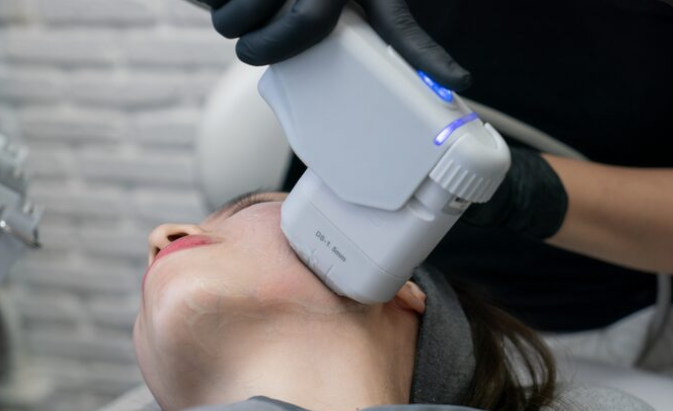
The treatment area will first be cleansed. A specialised ultrasound gel is then applied to support smooth movement of the device and proper energy delivery. The HIFU handpiece is moved across the targeted areas to deliver focused ultrasound energy into selected tissue layers beneath the skin. During treatment, some individuals may feel warmth, tingling, or mild discomfort. Sensation varies depending on the treatment area, depth used, and individual sensitivity.

After Treatment

Most individuals can resume their normal daily activities shortly after HIFU treatment. Temporary side effects may include:

  • Mild redness
  • Slight swelling
  • Tenderness
  • Skin sensitivity
  • Temporary tightness

These effects usually improve within several hours to a few days. Your doctor may also advise you on suitable skincare and sun protection after treatment.

When Will Results Be Visible?

Some individuals may notice a mild initial tightening effect within the first few weeks. However, the main improvements from HIFU usually develop gradually as collagen remodelling takes place. Visible improvements in skin firmness, elasticity, and facial contours may become more noticeable over the next 2 to 3 months. The number of sessions required varies depending on the individual’s skin condition, age, degree of laxity, and treatment goals.

Schedule Your HIFU Consultation at YRS Medical

Skin laxity, reduced firmness, and changes in facial contours can develop gradually over time. Every individual ages differently, and factors such as age, skin quality, collagen levels, lifestyle, and facial anatomy can influence which treatment approach may be most suitable.

At YRS Medical, our doctors perform a detailed assessment of your skin condition, facial structure, and aesthetic goals before recommending a personalised treatment plan. Depending on your concerns, HIFU may be recommended as a standalone treatment or as part of a broader skin rejuvenation programme.

If you are considering HIFU treatment in Singapore for facial lifting, skin tightening, or jawline definition, schedule a consultation with our medical aesthetic team to explore suitable treatment options tailored to your needs.

Book your consultation today and take the first step towards firmer-looking skin and more defined facial contours!

dark eye circle
Dark Eye Circle Treatment in Singapore: Causes, Types, and Suitable Treatment Options

Dark eye circles are a common concern among both men and women in Singapore. They can make a person look tired, older, or less refreshed, even when they feel well-rested.

While dark circles are often blamed on lack of sleep, persistent under-eye darkness is usually more complex. In many cases, dark eye circles are caused by a combination of pigmentation, thinning skin, visible blood vessels, volume loss, genetics, and age-related changes.

Because different causes can create a similar tired-looking appearance, dark eye circles may not improve significantly with eye creams or home remedies alone. Identifying the underlying cause is important, as different types of dark circles often require different treatment approaches.

In this article, we explain the common causes of dark eye circles, the different types of under-eye concerns, and the treatment options available at YRS Medical that may help improve the appearance of tired-looking eyes.

What Are Dark Eye Circles?

Dark eye circles refer to the dark, shadowed, or sunken appearance beneath the eyes. The skin around the eyes is naturally thinner than the skin on the rest of the face, which makes changes in pigmentation, blood vessels, skin quality, and facial volume more noticeable.

This means the under-eye area may appear darker even when the rest of the face looks relatively clear and even-toned.

It is important to understand that dark eye circles are not caused by one single factor. They may be related to:

  • Excess pigmentation
  • Thin under-eye skin
  • Visible blood vessels
  • Tear trough hollowing
  • Loss of collagen and elasticity
  • Genetics
  • Age-related volume loss
  • Lifestyle factors such as poor sleep or dehydration

In many individuals, several of these factors occur together. This is why dark circles can be difficult to treat with skincare alone.

Dark eye circles are also commonly seen in Asian skin types, where natural pigmentation and genetic tendencies may make under-eye discolouration more noticeable.

The Main Types of Dark Eye Circles

Dark eye circles are not all the same. Different underlying causes can create a similar darkened appearance beneath the eyes. Identifying the type of dark circle is often the first step in choosing the most suitable treatment.

1. Pigmented Dark Circles

Pigmented dark circles usually appear brown or brownish-grey. They occur when excess melanin, or skin pigment, accumulates in the under-eye area.

Common contributing factors include genetics, sun exposure, frequent eye rubbing, allergies, and previous inflammation around the eyes. This type of dark circle is more common in Asian skin types and may become more noticeable over time, especially without adequate sun protection.

2. Vascular Dark Circles

Vascular dark circles often appear blue, purple, reddish, or greyish. They occur when blood vessels beneath the thin under-eye skin become more visible.

This may be related to naturally thin skin, fatigue, allergies, poor circulation, genetics, or age-related skin thinning. Because the eye area is delicate, underlying blood vessels can sometimes show through more easily, creating a darker or more tired-looking appearance.

3. Structural Dark Circles or Tear Trough Hollowing

Structural dark circles are caused by hollowing or volume loss beneath the eyes rather than true pigmentation.

As collagen, fat, and facial support gradually decrease with age, a hollow groove known as the tear trough may become more obvious. This creates shadows beneath the eyes, making the area appear darker, sunken, or tired. In these cases, the darkness is often caused by shadowing rather than actual skin colour changes.

4. Skin Ageing and Reduced Skin Quality

Age-related skin changes can also contribute to dark eye circles. As collagen and elastin levels decline, the under-eye skin may become thinner, less firm, and more prone to fine lines or crepey texture. These changes can make pigmentation, blood vessels, and hollowing more visible.

For many patients, skin ageing occurs together with pigmentation, vascular changes, or tear trough hollowing, which is why a combined treatment approach may sometimes be recommended.

Common Causes of Dark Eye Circles

Dark eye circles can develop for many reasons, and more than one factor may be involved. Common contributing causes include:

Sun Exposure

Excessive UV exposure can increase pigmentation around the eyes, making brown-toned dark circles more prominent. Sun protection is especially important for individuals prone to pigmentation.

Ageing and Volume Loss

As collagen, fat, and skin elasticity naturally decline with age, the under-eye area may become thinner and more hollow. This can create shadowing and make the eyes look more tired.

Thin Under-Eye Skin

Some individuals naturally have thinner skin beneath the eyes. This can make blood vessels and underlying structures more visible, contributing to a darker appearance.

Genetics

Family history plays an important role. Some individuals are naturally more prone to pigmentation, visible under-eye vessels, or tear trough hollowing regardless of lifestyle habits.

Lack of Sleep and Fatigue

Poor sleep does not usually cause dark circles on its own, but it can make them look worse. Fatigue may increase under-eye dullness, puffiness, and visibility of blood vessels.

Allergies and Eye Rubbing

Allergies can cause inflammation, irritation, and frequent rubbing of the eyes. Over time, this may worsen pigmentation and skin sensitivity around the eye area.

Dehydration

When the body is dehydrated, the under-eye area may appear more sunken or dull, making existing dark circles more noticeable.

Hormonal Changes

Hormonal fluctuations may influence skin pigmentation and fluid retention, which can contribute to under-eye darkening or puffiness in some individuals.

How Are Dark Eye Circles Assessed?

A proper assessment is important before deciding on treatment because dark eye circles can have different underlying causes.

During a consultation at YRS Medical, our doctor will assess the under-eye area to determine whether the dark circles are mainly caused by pigmentation, visible blood vessels, hollowing, skin ageing, or a combination of these factors. The assessment may include evaluating:

  • Skin tone and pigmentation
  • Skin thickness and texture
  • Under-eye blood vessel visibility
  • Tear trough hollowing
  • Fine lines and skin laxity
  • Facial structure and cheek support
  • Lifestyle factors and medical history
  • Previous treatments or skincare use

This allows a personalised treatment plan to be recommended based on your specific concerns, anatomy, and aesthetic goals.

Dark Eye Circle Treatments at YRS Medical

Because dark eye circles can develop from different causes, there is no single treatment that works for everyone. At YRS Medical, treatment recommendations are tailored according to the underlying cause of the dark circles. Depending on your assessment, options may include skin boosters, collagen-stimulating injectables, regenerative treatments, or dermal fillers.

1. Salmon DNA Skin Booster

Salmon DNA skin boosters, also known as polynucleotide-based skin boosters, are commonly used to improve skin quality around the delicate under-eye area.

These treatments support the skin’s natural repair processes, improve hydration, and stimulate collagen production over time. As the under-eye skin becomes healthier and better supported, visible blood vessels may appear less prominent.This treatment may also help improve fine lines, skin texture, and overall under-eye skin quality.

Best suited for:

  • Vascular dark circles
  • Thin under-eye skin
  • Fine lines around the eyes
  • Tired-looking under-eyes
  • Overall skin quality improvement

When can results be seen?

Initial improvements in hydration may be noticed within a few weeks. Collagen-related improvements usually develop gradually over approximately 2 to 3 months.

Expected downtime:

Mild redness, swelling, or small injection marks may occur and commonly improve within 1 to 3 days.

2. PDLLA Collagen Skin Booster

PDLLA collagen skin boosters combine hydrating ingredients with collagen-stimulating particles to improve under-eye skin quality over time. Rather than creating significant volume, this treatment focuses on stimulating collagen production and improving skin firmness, elasticity, and texture. It may be suitable for individuals with early signs of ageing, mild hollowness, fine lines, or thin under-eye skin.

Best suited for:

  • Mild structural dark circles
  • Fine lines and ageing under-eyes
  • Thin under-eye skin
  • Mild under-eye hollowing
  • Skin texture and elasticity concerns

When can results be seen?

Hydration-related improvements may be visible within several days, while collagen stimulation develops progressively over approximately 4 to 12 weeks.

Expected downtime:

Mild redness, swelling, or injection marks may occur and generally improve within a few days.

3. ECM Skin Booster

ECM skin boosters focus on supporting the skin’s extracellular matrix, which plays an important role in maintaining skin structure, hydration, elasticity, and overall skin quality.

Rather than targeting only one concern, ECM-based treatments are often used for overall under-eye rejuvenation. By improving the skin environment, they may help address multiple age-related changes that contribute to dark circles, including thin skin, reduced elasticity, fine lines, and dull-looking under-eyes.

Best suited for:

  • Overall under-eye rejuvenation
  • Thin and ageing under-eye skin
  • Fine lines and texture concerns
  • Dull or tired-looking eyes
  • Comprehensive skin quality improvement

When can results be seen?

Improvements usually develop progressively over approximately 4 to 8 weeks. Multiple sessions may be recommended depending on the individual’s skin condition and goals.

Expected downtime:

Mild redness, swelling, or small injection marks may occur and commonly improve within 2 to 5 days.

4. Hyaluronic Acid Skin Booster

Hyaluronic acid skin boosters are designed to improve hydration and moisture retention within the skin. When the under-eye area is dry or dehydrated, it may appear dull, crepey, or tired. By improving hydration, hyaluronic acid skin boosters may help the under-eye area look smoother, fresher, and healthier. These treatments are generally more suitable for patients whose concerns are related to dryness, dullness, or mild fine lines rather than significant hollowing.

Best suited for:

  • Dry or dehydrated under-eye skin
  • Dull-looking skin
  • Mild fine lines related to dehydration
  • Overall skin hydration

When can results be seen?

Many individuals notice hydration improvements within several days after treatment.

Expected downtime:

Downtime is usually minimal. Mild redness may occur and typically improves within 24 hours.

5. Dermal Fillers

For individuals whose dark circles are mainly caused by tear trough hollowing or volume loss, dermal fillers may be considered. Dermal fillers help restore support beneath the under-eye area, reducing shadowing caused by hollowness. This can make the under-eye region appear smoother, less sunken, and more refreshed. However, fillers are not designed to treat pigmentation or visible blood vessels. In some cases, fillers may be combined with skin quality treatments for a more comprehensive approach.

Best suited for:

  • Hollow tear troughs
  • Structural dark circles
  • Shadow-related under-eye darkness
  • Age-related volume loss
  • Sunken-looking under-eyes

When can results be seen?

Results are generally visible shortly after treatment, although the final result is usually assessed after any swelling has settled.

Expected downtime:

Mild swelling or bruising may occur and commonly improves within approximately 2 to 7 days.

Which Treatment Is Suitable for Your Dark Eye Circles?

The most suitable dark eye circle treatment depends on the underlying cause.

Type of Concern Possible Treatment Options
Brown pigmentation Pigment-focused treatments, skincare, sun protection
Blue, purple, or vascular darkness Salmon DNA skin booster, skin quality treatments
Thin under-eye skin Skin boosters, collagen-stimulating treatments
Tear trough hollowing Dermal fillers, collagen-stimulating treatments
Fine lines and crepey skin PDLLA skin booster, ECM skin booster, hyaluronic acid skin booster
Mixed dark circles Combination treatment plan

Many individuals have mixed dark circles, meaning more than one factor contributes to the tired-looking appearance. In such cases, a personalised combination approach may be more suitable than a single treatment.

Book a Dark Eye Circle Consultation in Singapore

Dark eye circles can develop due to pigmentation, visible blood vessels, volume loss, thinning skin, or age-related changes around the eyes. Since every individual has a different combination of contributing factors, treatment should be tailored accordingly.

At YRS Medical, our doctors perform a detailed assessment of the under-eye area before recommending a personalised treatment plan. Depending on your concerns, suitable options may include dermal fillers, collagen-stimulating injectables, skin boosters, or regenerative treatments designed to improve overall under-eye skin quality.

If you are considering dark eye circle treatment in Singapore, schedule a consultation with our medical aesthetic team to discuss your concerns and explore suitable treatment options tailored to your needs.

Book your consultation today and take the first step towards brighter, fresher-looking eyes!

skin booster
Types of Skin Booster Treatments in Singapore: Which Option May Suit Your Skin Concerns?

Healthy-looking skin can be affected over time by factors such as UV exposure, pollution, stress, and the natural ageing process. As collagen, elastin, and skin hydration gradually decline with age, concerns such as dull-looking skin, fine lines, enlarged pores, acne marks, and uneven skin texture may become more noticeable.

To support skin hydration and overall skin quality, many individuals in Singapore are increasingly considering injectable skin-booster treatments as part of their skin-rejuvenation routine. Different skin booster formulations are designed to address different skin concerns, ranging from dehydrated skin and acne marks to early signs of skin ageing.

With various skin booster treatments available in Singapore today, understanding how these treatments work and how they differ may help individuals choose a more suitable option for their skin concerns and treatment goals.

What Are Skin Booster Treatments?

Skin boosters are injectable treatments designed to deliver hydrating or bio-regenerative ingredients directly into the skin’s dermal layer. This is where topical skincare products, such as moisturisers or serums, may not be able to reach effectively. These minimally invasive aesthetic treatments are commonly used to support skin hydration, overall skin quality, and skin rejuvenation.

Skin boosters are generally used to improve skin texture, moisture retention, skin radiance, and overall skin health. The treatment is typically performed through multiple small injections into targeted areas of the skin. Depending on the formulation used, skin booster treatments may contain ingredients such as hyaluronic acid, polynucleotides, amino acids, peptides, or collagen-supporting compounds.

As every individual’s skin condition is different, treatment suitability and outcomes may vary depending on skin type, lifestyle factors, and treatment approach. Since injectable skin booster treatments are medical aesthetic procedures, they should be performed by a qualified medical doctor following proper clinical assessment. Choosing a suitable and medically supervised clinic is therefore an important part of ensuring safe and appropriate treatment planning.

How Do Injectable Skin Boosters Work?

Injectable skin boosters work by delivering hydrating or regenerative ingredients directly into the skin through multiple small injections. Skin boosters are injected more superficially into the dermal layer to improve skin texture, moisture levels, and skin radiance. Many skin booster treatments contain hyaluronic acid, an ingredient known for its ability to attract and retain moisture within the skin. 

During the procedure, the doctor may apply numbing cream to improve comfort before administering a series of small injections across the treatment area. Most individuals experience only mild and temporary discomfort during the procedure. After treatment, the skin may gradually appear more hydrated, smoother, and brighter. In many cases, doctors may recommend several treatment sessions spaced a few weeks apart. Then followed by maintenance treatments depending on the individual’s skin condition and treatment goals.

What Skin Concerns Can Skin Booster Treatments Address?

Skin booster treatments may be considered for a variety of skin concerns related to hydration, skin texture, and overall skin quality.

Dry and Dehydrated Skin

Environmental factors such as air-conditioning, UV exposure, and lifestyle habits may contribute to dehydrated or dry-looking skin. Hydrating skin booster treatments may help support moisture retention and improve overall skin hydration.

Dull-Looking Skin and Uneven Skin Texture

Individuals experiencing dull-looking skin or uneven skin texture may consider skin booster treatments as part of a skin rejuvenation plan aimed at supporting brighter and smoother-looking skin.

Fine Lines and Early Skin Ageing

As collagen and elastin production gradually decline with age, fine lines and reduced skin elasticity may become more noticeable. Some skin booster formulations may help support skin firmness and elasticity through collagen-supporting mechanisms.

Acne Marks and Mild Acne Scars

Post-inflammatory acne marks and mild textural irregularities may sometimes improve gradually following selected skin booster treatments that support skin renewal and tissue repair processes.

Enlarged Pores and Rough Skin Texture

Certain injectable skin booster treatments may help improve overall skin smoothness and the appearance of enlarged pores by supporting skin hydration and skin quality over time.

Different Types of Injectable Skin Boosters in Singapore

Different injectable skin booster formulations work through different mechanisms and may be selected based on individual skin concerns and treatment goals. Depending on the treatment type and individual skin condition, doctors may commonly recommend approximately 3 to 4 treatment sessions spaced 2-4 weeks apart initially, followed by maintenance sessions where appropriate.

Some individuals may notice gradual improvements in skin hydration and radiance after the first few sessions, while concerns related to skin texture, fine lines, or acne marks may continue improving progressively over time. The longevity of results can vary depending on the formulation used, individual skin response, lifestyle factors, and skincare habits. In many cases, maintenance treatments may be considered every few months to support ongoing skin quality improvements.

Hyaluronic Acid (HA) Skin Boosters

This type of skin booster is commonly used to improve skin hydration, moisture retention, and overall skin radiance. Hyaluronic acid is a naturally occurring substance within the skin that helps attract and retain water, supporting skin suppleness and hydration.

These treatments are often considered for individuals experiencing dehydrated skin, dull-looking skin, uneven skin texture, or mild fine lines associated with reduced skin hydration. Some HA-based skin booster formulations may contain different molecular weights of hyaluronic acid to support both hydration and skin elasticity. Potential benefits may include:

  • Improved skin hydration and moisture retention
  • Smoother and more radiant-looking skin
  • Support for mild fine lines caused by dehydrated skin
  • Improved skin suppleness and elasticity

Polynucleotide (PN) Skin Boosters

Polynucleotide (PN) skin boosters are regenerative injectable treatments designed to support skin repair and overall skin quality. These formulations commonly contain purified polynucleotides extracted from sources such as salmon or trout DNA.

PN skin boosters may help support tissue repair processes, skin regeneration, collagen activity, and skin hydration. They are commonly considered for concerns such as acne marks, skin texture irregularities, enlarged pores, dehydrated skin, and early signs of skin ageing. Potential benefits may include:

  • Support for skin repair and skin recovery
  • Improvement in skin texture and acne marks
  • Support for skin hydration and elasticity
  • Gradual improvement in overall skin quality

Collagen-Stimulating Skin Boosters

Collagen-stimulating skin boosters are injectable treatments designed to support collagen production within the skin. These formulations may contain collagen-supporting compounds such as poly-L-lactic acid (PLLA), poly-D, L-lactic acid (PDLLA), polycaprolactone (PCL), or similar bio-stimulatory ingredients.

As collagen production naturally declines with age, concerns such as fine lines, reduced skin elasticity, skin laxity, and thinning skin may become more noticeable. These treatments work by supporting fibroblast activity within the skin, encouraging gradual collagen production over time. Some newer formulations may also provide hydrating support in addition to collagen stimulation. Potential benefits may include:

  • Support for skin firmness and elasticity
  • Gradual improvement in skin texture and skin thickness
  • Improvement in early skin ageing concerns
  • Support for longer-term skin rejuvenation

Hybrid Injectable Skin Rejuvenation Treatments

Certain injectable skin booster treatments combine hydrating ingredients with collagen-supporting, regenerative, or skin-revitalising compounds within the same formulation. These hybrid approaches aim to support both skin hydration and overall skin rejuvenation simultaneously.

Some formulations may contain combinations of hyaluronic acid, vitamins, amino acids, antioxidants, coenzymes, peptides, or extracellular matrix (ECM)-supporting ingredients designed to improve overall skin quality and skin radiance.

Hybrid injectable treatments may help individuals address multiple skin concerns such as dehydrated skin, dull-looking skin, enlarged pores, uneven skin texture, and early signs of skin ageing. Potential benefits may include:

  • Improved skin hydration and radiance
  • Support for smoother-looking skin texture
  • Gradual improvement in skin firmness and elasticity
  • Support for overall skin quality and skin rejuvenation

What to Expect During and After Skin Booster Treatments

Before Treatment

Skin booster treatment sessions typically begin with a consultation and skin assessment to evaluate treatment suitability and identify individual skin concerns. During the consultation, the doctor may assess factors such as skin hydration, skin texture, acne marks, enlarged pores, fine lines, and overall skin condition. Our doctor will review the patient’s medical history, medications, previous aesthetic treatments, and skincare routine to ensure the treatment is suitable for their skin condition and goals.

During Treatment

Our doctor administers the injectable skin booster through multiple small injections into targeted treatment areas. Before starting the procedure, our doctor commonly applies numbing cream to improve comfort during treatment. The treatment usually takes approximately 20 to 40 minutes to complete.

Some individuals may experience mild discomfort, pressure, or temporary stinging sensations during the procedure, although most individuals generally tolerate the treatment well. The sensation experienced may vary depending on the treatment area, skin sensitivity, and formulation used. In many cases, individuals are able to resume most daily activities shortly after the session.

After Treatment

Following treatment, temporary redness, mild swelling, small injection marks, or slight skin sensitivity may occur around the treated areas. These effects are generally temporary and may improve within several days, depending on individual skin response and the type of skin booster used.

Some individuals may also notice small bumps or unevenness at the injection sites immediately after treatment. These usually settle gradually as the product distributes within the skin. Downtime is generally considered minimal for many individuals, although recovery experiences can vary depending on skin sensitivity and treatment intensity. Patients are commonly advised to:

  • Avoid excessive sun exposure and apply sunscreen regularly
  • Use gentle skincare products and avoid harsh exfoliation or active skincare ingredients temporarily
  • Avoid excessive heat exposure, such as saunas or intense exercise, for a short period after treatment
  • Follow post-treatment care instructions provided during consultation

Choose A Skin Booster That Suits Your Skin For Best Results

At YRS Medical & Aesthetic Clinic, skin booster treatments are personalised based on individual skin concerns, skin condition, and aesthetic goals. During consultation, our doctors assess factors such as skin hydration, skin texture, acne marks, pores, and early signs of skin ageing to determine which injectable skin booster approach may be more suitable for your needs.

Different skin booster formulations work differently. Thats why selecting an appropriate treatment approach may help support more natural-looking and gradual skin rejuvenation outcomes.

For May 2026, YRS Medical & Aesthetic Clinic is offering a Skin Booster Opening Bundle: 2 sessions for $600. Doctors will determine suitable treatment recommendations and treatment suitability after conducting an individual clinical assessment and consultation.

📍 Book a consultation at YRS Medical & Aesthetic Clinic Singapore for personalised skin booster treatment options for your skin concerns.

Pico Laser Treatment in Singapore
Pico Laser Treatment in Singapore: How It Helps Improve Pigmentation and Acne Marks

Pico laser treatment is increasingly considered in Singapore by individuals looking to improve pigmentation concerns, acne marks, uneven skin tone, and overall skin clarity. Environmental factors such as sun exposure, humidity, and post-inflammatory skin changes from acne may contribute to visible pigmentation and lingering acne marks over time.

As non-surgical aesthetic treatments continue to evolve, Pico laser treatment has become one of the commonly selected options for individuals seeking gradual skin rejuvenation with relatively minimal downtime. The treatment uses ultra-short laser pulses designed to target pigmentation within the skin while minimising excessive heat exposure to surrounding tissues.

In this article, we explore how Pico laser treatment works, the types of pigmentation and acne marks it may address, and important considerations before starting the treatment.

What Is Pico Laser Treatment?

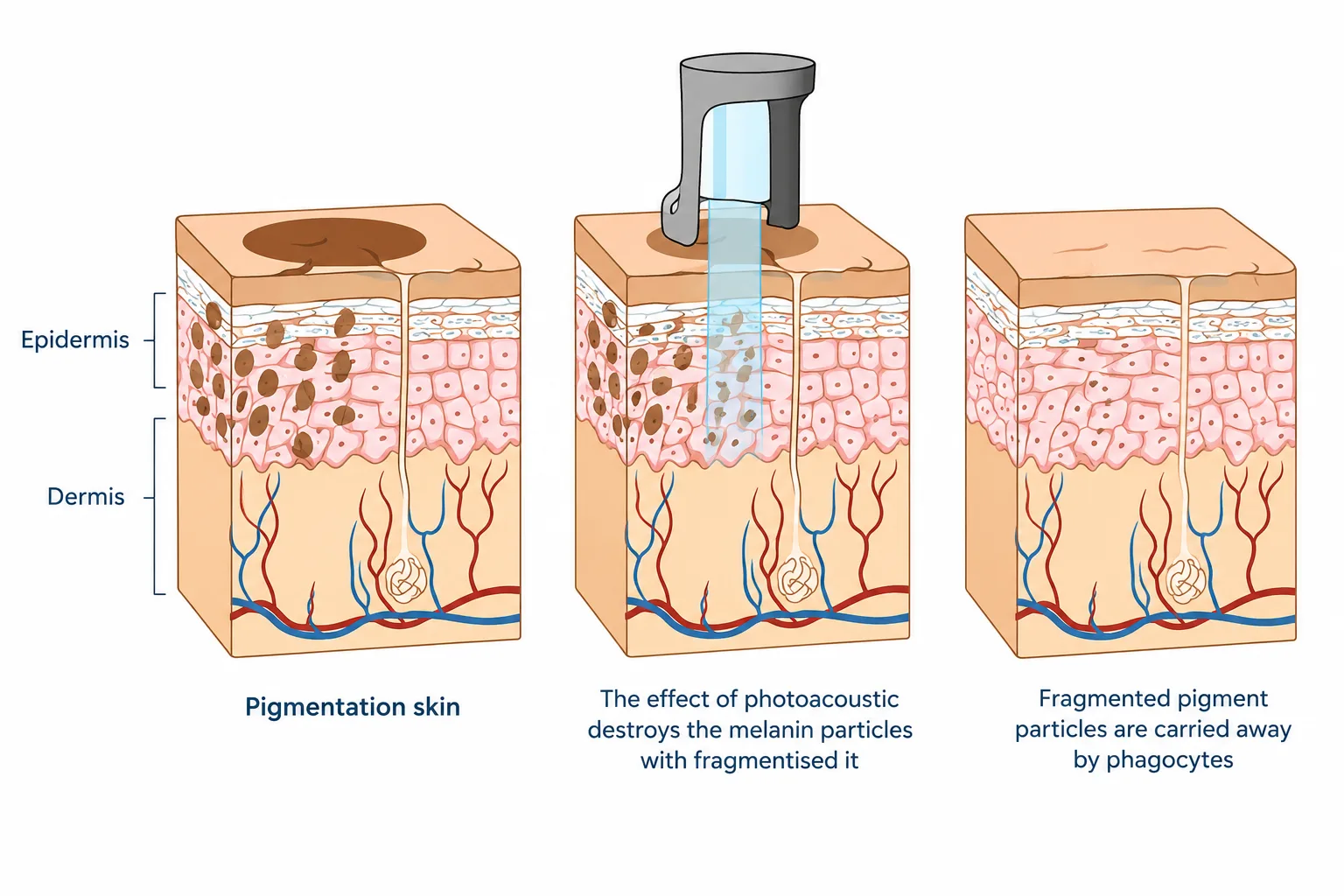
Pico laser treatment is a non-surgical laser procedure designed to target pigmentation concerns, acne marks, and uneven skin tone. This machine is using ultra-short pulses of laser energy measured in picoseconds. These rapid pulses help break down pigment particles into smaller fragments, which may then be gradually cleared by the body’s natural processes over time.

Unlike some traditional laser approaches that rely primarily on heat, Pico laser treatment delivers energy in shorter durations, allowing treatment to focus on pigment while reducing unnecessary thermal exposure to surrounding skin. Pico laser treatment may be considered for many skin concerns, such as pigmentation, acne marks, dull-looking skin, enlarged pores, and mild skin textural irregularities.

Pico laser treatment may be suitable for individuals seeking a treatment approach with relatively minimal downtime while supporting gradual skin rejuvenation and overall skin clarity. Treatment suitability varies depending on individual skin type, skin concerns, and clinical assessment.

How Does Pico Laser Treatment Work?

Pico laser treatment works by delivering ultra-short pulses of laser energy into targeted areas of the skin. These pulses create a photoacoustic effect that helps fragment excess pigmentation into smaller particles without relying heavily on heat-based tissue injury.

Once fragmented, the pigment particles may gradually be removed through the body’s natural healing and clearance processes over time. Depending on the treatment settings and individual skin condition, Pico laser treatment may also stimulate collagen activity within the skin, which can contribute to gradual improvements in skin texture and overall skin quality.

Treatment plans are usually personalised based on the type of pigmentation, acne marks, skin sensitivity, and individual treatment goals. Multiple treatment sessions are commonly recommended, typically spaced several weeks apart, although this varies between individuals.

What Skin Concerns Can Pico Laser Treatment Address?

Pico laser treatment is commonly considered for a variety of skin concerns related to pigmentation, uneven skin tone, and post-acne marks. In Singapore’s tropical climate, factors such as sun exposure, humidity, hormonal influences, inflammation, and skin ageing may contribute to visible pigmentation changes and lingering acne-related marks over time.

Pico Laser Treatment for Pigmentation

Pico laser treatment can help address excess pigmentation while supporting gradual skin renewal and overall skin clarity. Depending on the individual skin condition and treatment goals, Pico laser treatment may be incorporated into personalised treatment plans for concerns such as sunspots, freckles, melasma, post-inflammatory hyperpigmentation, and uneven skin tone. 

  • Sunspots and Freckles

Repeated sun exposure may contribute to the development of freckles and sunspots. Pico laser treatment may help reduce the appearance of superficial pigmentation and support a more even-looking complexion over time.

  • Post-Inflammatory Hyperpigmentation

Post-inflammatory hyperpigmentation refers to darkened marks that remain after skin inflammation, including acne breakouts. Pico laser treatment may help target residual pigmentation associated with previous inflammation.

  • Uneven Skin Tone

Individuals with patchy pigmentation or dull-looking skin may consider Pico laser treatment as part of their skin rejuvenation plan. The treatment may help support overall skin clarity and brightness over time.

  • Melasma

Melasma is a more complex pigmentation condition influenced by factors such as hormones, genetics, and sun exposure. While Pico laser treatment may sometimes be incorporated into selected melasma treatment plans, outcomes can vary and recurrence remains possible. Careful assessment and ongoing sun protection are important considerations.

Pico Laser Treatment for Acne Marks

Acne marks are common skin concerns that may remain after active acne improves. These marks often appear red, brown, or darker than the surrounding skin due to post-inflammatory changes within the skin. Pico laser treatment may help improve the appearance of acne marks by targeting residual pigmentation while supporting gradual skin renewal. 

Some individuals may also notice improvements in overall skin clarity and smoother-looking skin texture following a series of treatments. It is important to note that acne marks and acne scars are different conditions. Deeper acne scars may sometimes require combination treatment approaches depending on scar type and severity. A detailed consultation is important to determine the most suitable treatment approach based on individual skin concerns.

What to Expect During Pico Laser Treatment?

Understanding what to expect before, during, and after treatment may help individuals prepare more comfortably for the procedure and recovery process.

Before Pico Laser Treatment

Before starting Pico laser treatment, a consultation with a qualified doctor is important to assess whether the treatment is suitable for your skin concerns and expectations. During the consultation, factors such as pigmentation type, acne marks, skin sensitivity, previous aesthetic procedures, and skincare habits may be discussed.

In some cases, individuals with sensitive skin or active skin inflammation may require adjustments to the treatment settings or alternative treatment approaches. Patients may also be advised on pre-treatment care instructions, which can vary depending on the individual’s skin condition. These recommendations may include:

  • Avoiding excessive sun exposure before treatment
  • Applying sunscreen regularly
  • Avoiding harsh exfoliants or irritating skincare products
  • Informing the doctor about any active skin infections, medications, or recent aesthetic treatments

During Pico Laser Treatment

On the day of treatment, the doctor will first cleanse the skin thoroughly before beginning the procedure. The doctor will also provide protective eyewear to shield the eyes from laser exposure during the session, then use the Pico laser device on targeted treatment areas with controlled laser pulses.

Some individuals may experience mild warmth, tingling, or snapping sensations during the procedure. Although discomfort levels may vary depending on individual skin sensitivity and treatment intensity. Treatment duration varies with the size and number of treatment areas but is often completed in approximately 15 to 30 minutes. In many cases, individuals are able to resume most daily activities shortly after the session.

After Treatment

Pico laser treatment is generally associated with minimal downtime for many individuals. Following treatment, temporary effects such as mild redness, slight dryness, or skin sensitivity may occur. These effects are usually temporary and may improve within several days, depending on individual skin response and treatment intensity.

In some cases, pigmented areas may appear temporarily darker before gradually fading as part of the skin’s natural recovery process. Recovery experiences can vary depending on the type of pigmentation being treated and the individual’s skin condition. Proper aftercare is important following Pico laser treatment to support skin recovery and reduce the risk of worsening pigmentation concerns. Patients are commonly advised to:

  • Apply sunscreen regularly
  • Avoid excessive sun exposure
  • Use gentle skincare products
  • Avoid harsh exfoliation or active skincare ingredients temporarily
  • Follow the individual post-treatment instructions provided during consultation

Potential Benefits and Number of Sessions Needed

Pico laser treatment is commonly selected by individuals seeking support for pigmentation concerns and overall skin rejuvenation with relatively minimal downtime. Depending on the individual skin condition and treatment goals, potential benefits may include:

  • Improvement in the appearance of pigmentation and acne marks
  • Support for a more even-looking skin tone
  • Gradual improvement in overall skin clarity and radiance
  • Minimal to mild downtime for many individuals
  • Support for mild skin texture irregularities and enlarged pores

The number of Pico laser treatment sessions recommended can vary depending on factors such as the type and severity of pigmentation, the depth of acne marks, individual skin response, and overall treatment goals. In many cases, approximately 3 to 6 treatment sessions spaced around 4 to 6 weeks apart may be recommended for gradual improvement. However, some individuals may require more sessions depending on the skin condition being treated.

As with all aesthetic treatments, individual response and outcomes vary depending on skin condition, lifestyle factors, treatment approach, and adherence to post-treatment care recommendations. Our doctor always personalise treatment plans following a proper clinical assessment.

Start Your Pico Laser Treatment Journey With Us

At YRS Medical & Aesthetic Clinic in Paya Lebar, Singapore, Pico laser treatment is provided following a doctor-led consultation to assess individual skin concerns such as pigmentation and acne marks. Each consultation involves a detailed evaluation of skin condition, treatment history, and relevant medical factors to determine whether Pico laser treatment is suitable. This allows treatment recommendations to be personalised based on clinical assessment and individual skin needs.

During the consultation, the doctor will explain how Pico laser treatment works, what to expect during the procedure, the expected downtime, and important post-treatment care considerations. Depending on the individual’s skin condition and suitability, the doctor may also discuss additional or combination treatment options where appropriate.

👉Book a consultation at YRS Medical & Aesthetic Clinic Singapore to learn more about Pico laser treatment options for pigmentation and acne marks!