

A fractional radiofrequency (RF) microneedling treatment designed to support collagen remodelling, skin tightening, and overall skin rejuvenation by delivering controlled RF energy into the deeper layers of the skin.
What is Morpheus8 (M8)?
Morpheus8 (M8) is a non-surgical skin rejuvenation treatment that combines microneedling with radiofrequency (RF) technology to support collagen production and skin remodelling. The treatment is commonly used to improve skin texture, firmness, and overall skin quality with minimal downtime.
Fractional Radiofrequency (RF) Energy
Radiofrequency energy is delivered beneath the skin surface to generate controlled thermal stimulation, supporting collagen remodelling and tissue tightening.
Microneedling Technology
Fine coated needles create controlled micro-injuries within the skin, supporting the skin’s natural repair process and improving the absorption of RF energy into targeted layers.
How Morpheus8 Works Beneath the Skin?
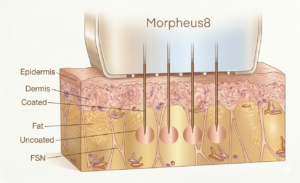
Morpheus8 delivers fractional RF energy through microneedles into the dermal and subdermal layers of the skin. The controlled thermal energy supports collagen and elastin production while stimulating skin remodelling over time.
The treatment may help improve skin laxity, texture irregularities, enlarged pores, and overall skin firmness while supporting gradual skin rejuvenation.
How Does Morpheus8 Support Collagen Remodelling?
During the treatment, fine microneedles penetrate targeted depths within the skin while delivering radiofrequency (RF) energy into the deeper dermal layers. The controlled thermal stimulation activates the skin’s natural healing response and supports fibroblast activity, which plays a role in collagen and elastin production.
As collagen remodelling develops gradually over time, the skin may appear firmer, smoother, and more refined, with improvements in skin texture, pores, and overall skin quality becoming more noticeable following treatment sessions.
What Concerns Can Morpheus8 Address?
The treatment is commonly used for concerns such as:
What to Expect During the Treatment?

Consultation and Skin Assessment
During the consultation, the doctor will assess your skin condition, skin laxity, texture concerns, and treatment suitability before recommending a personalised treatment plan based on your goals and treatment areas.
During the Procedure
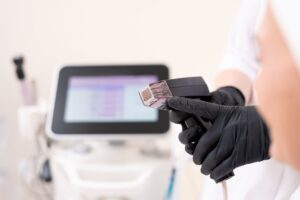
The treatment area is cleansed before the procedure, and topical numbing cream is commonly applied to improve comfort. The Morpheus8 handpiece is then used to deliver RF energy through microneedles into targeted areas. Treatment duration varies depending on the treatment area and skin concerns.
Downtime and Recovery
Most individuals experience temporary redness, mild swelling, sensitivity, or small grid-like marks after treatment. These effects generally improve within several days depending on treatment intensity and individual skin response.
When Will Results Be Visible?
Some individuals may notice initial skin texture and tightness improvements within several days after treatment. Collagen remodelling develops gradually over time, with progressive improvements in skin firmness, texture, and elasticity becoming more noticeable over several weeks to months.
The number of sessions recommended depends on individual skin concerns, skin condition, and treatment goals.
Benefits of Morpheus8 (M8)
Skin Rejuvenation Treatment Options at YRS Medical Aesthetic Clinic
At YRS Medical Aesthetic Clinic, different skin rejuvenation treatments may be recommended based on your skin condition, skin concerns, and treatment goals. Commonly used options include RF microneedling treatments, collagen-stimulating injectables, laser treatments, and skin booster procedures.
Each treatment works differently to support collagen stimulation, skin tightening, hydration, and overall skin quality improvement.
| Feature | Morpheus8 (M8) | PDLLA Skin Booster | Pico Laser | HA Skin Booster |
| Main Function | Supports skin tightening and collagen remodelling | Supports hydration and collagen stimulation | Supports skin resurfacing and pigmentation improvement | Supports skin hydration and radiance |
| How It Works | Combines RF energy with microneedling technology | Combines hydrating ingredients with collagen-stimulating particles | Uses laser energy to target skin concerns | Uses hyaluronic acid to improve moisture retention |
| Skin Texture Support | Commonly used for pores, acne scars, and uneven texture | Commonly used for pores and mild texture concerns | May improve pigmentation and surface irregularities | Mainly improves smoothness through hydration |
| Skin Firmness | Supports skin tightening and elasticity | Supports gradual improvement in elasticity | Mild support depending on treatment type | Hydration-focused treatment |
| Estimated Duration | Approximately 6–12 months depending on individual response | Approximately 6–12 months depending on individual response | Varies depending on treatment type | Approximately 3–6 months depending on hydration levels |
| Typical Sessions | Approximately 2–4 sessions spaced 4–6 weeks apart | Approximately 2–3 sessions spaced 4–6 weeks apart | Depends on treatment protocol | Approximately 2–3 sessions with maintenance treatments |
| Suitable For | Skin laxity, acne scars, enlarged pores, texture concerns | Enlarged pores, fine lines, dull skin | Pigmentation, uneven skin tone, resurfacing concerns | Dehydrated and dull-looking skin |
| Expected Downtime | Mild redness and swelling for approximately 2–5 days | Mild redness or bumps for approximately 1–3 days | Varies depending on laser intensity | Minimal downtime with mild redness for less than 24 hours |
Morpheus8 (M8) FAQ
Is the treatment painful?
Topical numbing cream is commonly applied before treatment to improve comfort during the procedure.
How long does each treatment session take?
Most treatment sessions are generally completed within approximately 30 to 60 minutes, depending on the treatment area.
Can Morpheus8 be combined with other aesthetic treatments?
In selected cases, Morpheus8 may be combined with skin boosters, laser treatments, medical facials, or other skin rejuvenation procedures depending on individual treatment plans.
What should I avoid before and after treatment?
Patients are commonly advised to avoid excessive heat exposure, strenuous exercise, harsh active skincare products, and direct sun exposure for several days after treatment. Regular sunscreen application and gentle skincare are also commonly recommended.
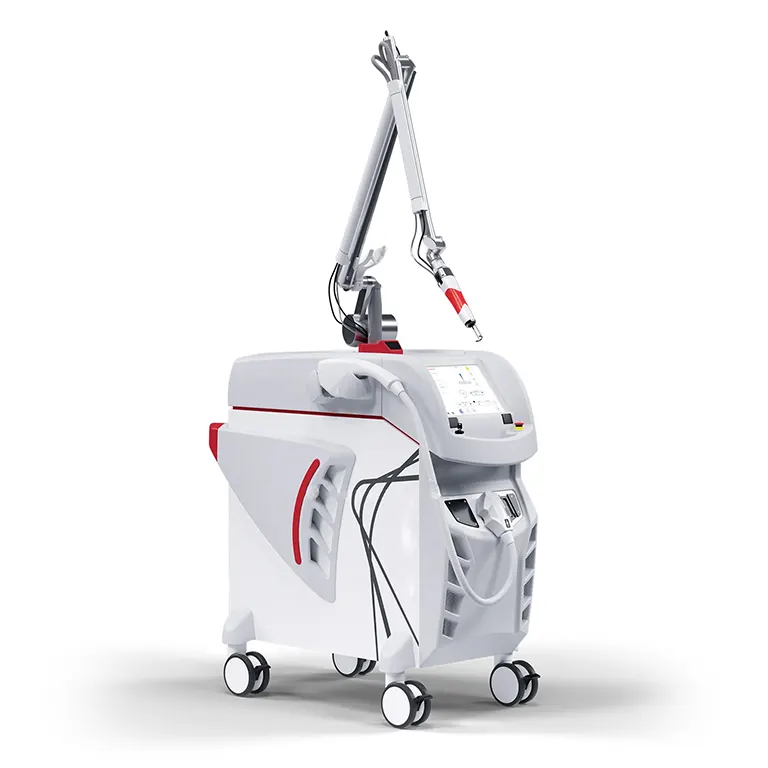
A laser treatment that helps improve pigmentation, skin texture, and overall skin clarity by delivering ultra-short laser pulses that support collagen stimulation.
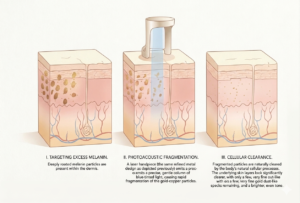
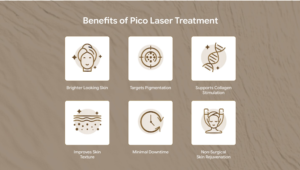
Pico Laser is a picosecond laser technology designed to deliver ultra-short pulses of energy into the skin in trillionths of a second. These pulses create pressure waves that fragment pigmentation into smaller particles, allowing the body to gradually clear them naturally.
At the same time, the laser stimulates collagen remodelling beneath the skin surface, helping improve skin texture and overall skin quality over time.
Pico Laser works beneath the epidermis by creating controlled photoacoustic energy within the skin. This process may help stimulate the skin’s natural healing response and collagen production while targeting unwanted pigmentation.
The treatment is commonly used for concerns such as:
During the consultation, the doctor will assess your skin condition, pigmentation concerns, acne scar severity, skin sensitivity, and treatment suitability before recommending a personalised treatment plan based on your skin needs and goals.
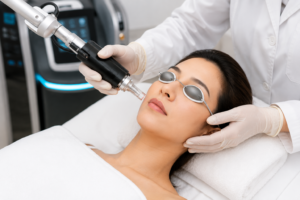
During the procedure, the skin is cleansed before treatment, and protective eyewear is provided for safety. The laser device is then passed across the treatment area to deliver controlled picosecond laser pulses, while cooling methods may be used to improve comfort.
Some individuals may notice initial skin brightness within several days after treatment. Improvements in pigmentation and skin texture may continue gradually over multiple sessions as the skin renews itself. The number of sessions varies depending on:
| Feature | Pico Laser | Q-Switched Laser |
| Pulse Technology | Picosecond pulses | Nanosecond pulses |
| Common Wavelengths | Commonly 1064nm and 532nm | Commonly 1064nm and 532nm |
| Energy Delivery | More photoacoustic-based | More thermal-based |
| Pigmentation Depth | Superficial to deeper pigmentation | Mainly superficial pigmentation |
| Common Concerns | Pigmentation, acne scars, fine lines | Freckles, sun spots, tattoos |
| Treatment Sessions | Approximately 3–5 sessions | Approximately 4–6 sessions |
Approximately 3 to 5 treatment sessions spaced around 4 to 6 weeks apart may be recommended, depending on individual skin concerns, pigmentation severity, and treatment goals.
Most treatment sessions are generally completed within approximately 15 to 30 minutes, depending on the treatment area and skin condition being addressed.
Most individuals experience minimal downtime. Mild redness or temporary skin sensitivity may occur after treatment and commonly improves within a few hours to several days.
Yes, picosecond laser treatment may be combined with selected treatments such as skin rejuvenation procedures, medical facials, or skin booster treatments depending on individual skin needs and treatment goals.
Patients are commonly advised to avoid excessive sun exposure, tanning, and strong active skincare products for at least 1 week before treatment. After treatment, sunscreen application, gentle skincare, and avoiding excessive heat or strenuous activities for several days are generally recommended.
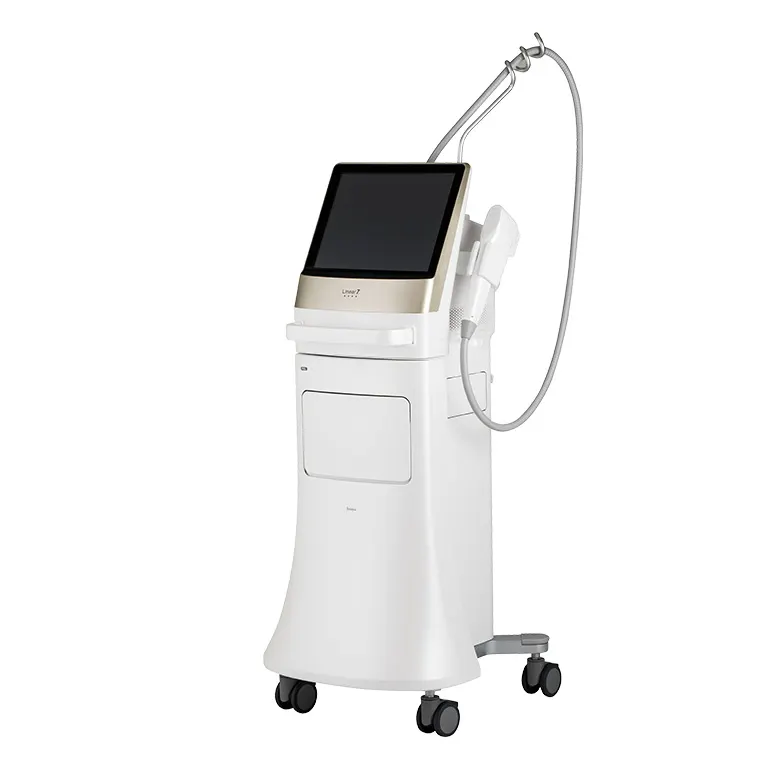
A non-surgical skin tightening treatment that supports collagen stimulation beneath the skin to help improve skin firmness, texture, and overall skin clarity.
What is HIFU Treatment?
HIFU (High-Intensity Focused Ultrasound) is a non-invasive treatment that delivers focused ultrasound energy into targeted skin layers beneath the skin surface. The treatment works by creating controlled thermal energy at specific depths within the skin to support collagen stimulation and tissue tightening over time.
Unlike surgical procedures, HIFU treatment does not require incisions or extended recovery periods and is commonly selected by individuals seeking gradual and natural-looking skin tightening improvements.
How HIFU Works for Skin Tightening and Lifting
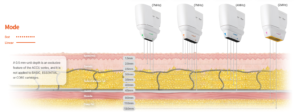
HIFU treatment delivers focused ultrasound energy across 5 different treatment depths, allowing the procedure to target multiple skin layers including the superficial skin, deeper dermis, fat layer, and SMAS layer. This multi-depth approach supports more comprehensive skin tightening, facial contouring, and collagen stimulation beneath the skin.
By delivering controlled ultrasound energy at different depths during a single session, the treatment helps support gradual collagen renewal, improved skin firmness, and facial lifting over time. The procedure is commonly used for concerns such as mild skin laxity, reduced jawline definition, and overall skin rejuvenation, with minimal downtime for many individuals.
What Concerns Can HIFU Treatment Address?
The treatment is commonly used for concerns such as:
What to Expect During the Treatment?
Consultation and Assessment:
The doctor will assess your skin condition, facial structure, and skin laxity before recommending a personalised treatment plan based on your concerns and goals.
During the Procedure:
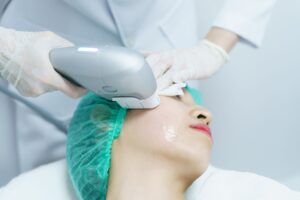
The skin is cleansed before ultrasound gel is applied. The treatment handpiece then delivers focused ultrasound energy into targeted skin layers beneath the skin surface.
After Treatment:
Mild redness, swelling, tenderness, or temporary skin sensitivity may occur after treatment and usually improve within several hours to several days. Most individuals can typically resume daily activities shortly after treatment.
When Will Results Be Visible?
Some individuals may notice initial skin tightening effects within several weeks after treatment. As collagen stimulation develops gradually, improvements in skin firmness and facial contouring may continue progressively over approximately 2 to 3 months.
Benefits of HIFU Treatment
HIFU FAQ
Is HIFU treatment painful?
Some individuals may experience temporary warmth, tingling, or mild discomfort during treatment depending on individual skin sensitivity and treatment intensity.
How many HIFU sessions are usually recommended?
Many individuals may achieve noticeable results after 1 treatment session, with maintenance treatments commonly recommended every 6–12 months depending on skin condition and treatment go
Can HIFU treatment be combined with other treatments?
Yes, HIFU treatment may be combined with selected skin rejuvenation treatments such as skin boosters, radiofrequency treatments, injectable treatments, or laser procedures depending on individual skin concerns and treatment plans.
What should I do before and after treatment?
Before treatment, patients are commonly advised to minimise excessive sun exposure and avoid treating irritated skin areas. After treatment, regular sunscreen application, gentle skincare, and avoiding excessive heat or strenuous activities for several days are generally recommended.
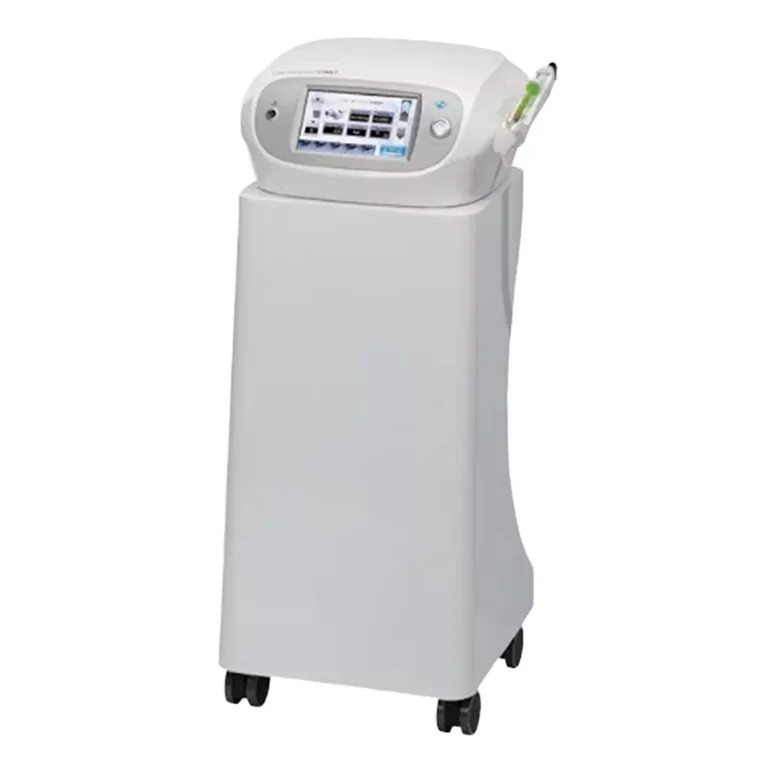
Mesotherapy Injector is an automated skin delivery system designed for precise and consistent micro-injections of skin-boosting solutions.
What is a Mesotherapy Injector?
A Mesotherapy Injector is an automated device commonly used in aesthetic treatments to deliver controlled micro-injections of skin rejuvenating solutions into the superficial layers of the skin.
The device is designed to provide consistent injection depth, dosage, and delivery speed, which may help improve treatment precision, patient comfort, and overall treatment efficiency.
Mesotherapy injectors are commonly used together with skin boosters, hyaluronic acid (HA), polynucleotides (PN/PDRN), collagen-stimulating solutions, and other skin revitalisation treatments.
Automated Injection Technology
The system uses automated delivery settings to provide controlled and consistent micro-injections across targeted treatment areas.
Precise Delivery Control
Injection depth, dosage, and suction settings may be adjusted depending on the treatment area, skin condition, and selected treatment protocol.
How Mesotherapy Injector Treatments Work Beneath the Skin?
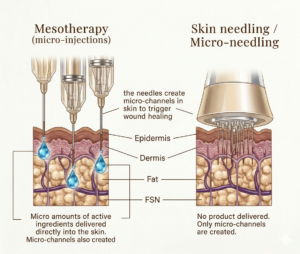
The mesotherapy injector delivers small amounts of skin rejuvenating solutions into the superficial dermal layers using multiple fine needles and controlled automated pressure.
The treatment supports even product distribution while minimising inconsistencies commonly associated with manual injection techniques. Depending on the selected treatment solution, the procedure may support hydration, collagen stimulation, skin repair, and overall skin quality improvement.
What Concerns Can Mesotherapy Injector Treatments Address?
The treatment is commonly used for concerns such as:
What to Expect During the Treatment?
Consultation and Skin Assessment
During the consultation, the doctor will assess your skin condition, hydration levels, texture concerns, and treatment suitability before recommending a personalised treatment plan and suitable skin booster solution.
During the Procedure
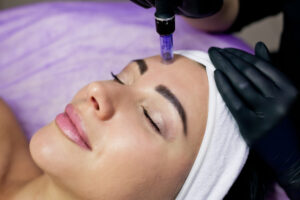
The treatment area is cleansed before the procedure, and topical numbing cream may be applied for comfort. The mesotherapy injector device is then used to deliver controlled micro-injections into targeted areas. Treatment duration varies depending on the treatment area and selected treatment protocol.
Downtime and Recovery
Most individuals experience mild redness, temporary swelling, small injection marks, or skin sensitivity after treatment. These effects generally improve within several days depending on individual skin response and treatment intensity.
When Will Results Be Visible?
Some individuals may notice improvements in skin hydration and radiance within several days after treatment. Depending on the treatment solution used, progressive improvements in skin texture, elasticity, and overall skin quality may continue developing over the following weeks.
The number of sessions recommended depends on individual skin concerns, treatment goals, and the selected skin booster protocol.
Benefits of Mesotherapy Injector Treatments
Skin Rejuvenation Treatment Options at YRS Medical Aesthetic Clinic
At YRS Medical Aesthetic Clinic, different skin rejuvenation treatments may be recommended based on your skin condition, skin concerns, and treatment goals. Commonly used options include mesotherapy injector treatments, collagen-stimulating skin boosters, RF microneedling treatments, and laser rejuvenation procedures.
Each treatment works differently to support hydration, collagen stimulation, skin tightening, and overall skin quality improvement.
| Feature | Mesotherapy Injector | PDLLA Skin Booster | Morpheus8 (M8) | HA Skin Booster |
| Main Function | Supports precise delivery of skin rejuvenating solutions | Supports hydration and collagen stimulation | Supports skin tightening and collagen remodelling | Supports skin hydration and radiance |
| How It Works | Automated micro-injection delivery system | Combines hydrating ingredients with collagen-stimulating particles | Combines RF energy with microneedling technology | Uses hyaluronic acid to improve moisture retention |
| Skin Texture Support | Commonly used for hydration and skin quality improvement | Commonly used for pores and mild texture concerns | Commonly used for acne scars and uneven texture | Mainly improves smoothness through hydration |
| Skin Firmness | Depends on treatment solution used | Supports gradual improvement in elasticity | Supports skin tightening and firmness | Hydration-focused treatment |
| Estimated Duration | Varies depending on treatment protocol | Approximately 6–12 months depending on individual response | Approximately 6–12 months depending on individual response | Approximately 3–6 months depending on hydration levels |
| Typical Sessions | Approximately 3–4 sessions spaced several weeks apart | Approximately 2–3 sessions spaced 4–6 weeks apart | Approximately 2–4 sessions spaced 4–6 weeks apart | Approximately 2–3 sessions with maintenance treatments |
| Suitable For | Hydration, dull skin, maintenance, and skin quality concerns | Enlarged pores, fine lines, dull skin | Skin laxity, acne scars, enlarged pores | Dehydrated and dull-looking skin |
| Expected Downtime | Mild redness or injection marks for approximately 1–3 days | Mild redness or bumps for approximately 1–3 days | Mild redness and swelling for approximately 2–5 days | Minimal downtime with mild redness for less than 24 hours |
Mesotherapy Injector FAQ
Is the treatment painful?
Topical numbing cream is commonly applied before treatment to improve comfort during the procedure.
How long does each treatment session take?
Most treatment sessions are generally completed within approximately 20 to 45 minutes, depending on the treatment area and selected treatment protocol.
Can mesotherapy injector treatments be combined with other aesthetic treatments?
In selected cases, mesotherapy injector treatments may be combined with laser treatments, skin boosters, RF microneedling procedures, or medical facials depending on individual treatment plans.
What should I avoid before and after treatment?
Patients are commonly advised to avoid excessive heat exposure, strenuous exercise, alcohol consumption, and harsh active skincare products for several days after treatment. Regular sunscreen application and gentle skincare are also commonly recommended.
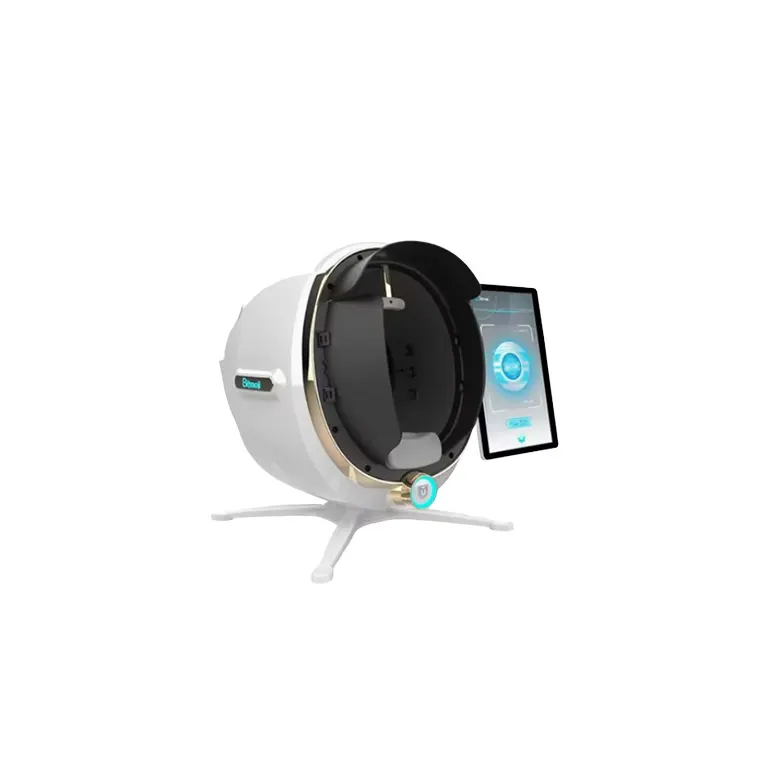
A skin analysis system designed to assess multiple skin concerns using imaging technology and skin analysis tools to support personalised treatment planning and skin condition assessment.
What is the 4D Diamond Facial Analyzer?
The 4D Diamond Facial Analyzer is a skin assessment system commonly used in medical aesthetic clinics to evaluate different aspects of skin health and visible skin concerns.
Using high-resolution imaging and skin analysis technology, the system captures detailed images of the skin surface and underlying skin conditions to support personalised consultations and treatment recommendations. The analysis may help assess concerns such as:
How Does the 4D Diamond Facial Analyzer Work?
The system uses imaging technology and skin analysis software to capture detailed facial images under different lighting modes and skin analysis settings. The images are then analysed to evaluate visible and underlying skin concerns that may not always be visible.
This assessment helps doctors better understand the individual’s skin condition and recommend suitable treatment approaches according to skin concerns and goals.
What Skin Concerns Can the Analysis Assess?
The analysis is commonly used to evaluate concerns such as:
What Does the Skin Analysis Include?
Surface Skin Assessment
Evaluates visible skin concerns such as pores, redness, pigmentation, texture irregularities, and fine lines.
Deeper Skin Imaging
Helps assess underlying pigmentation, UV-related skin changes, and skin conditions beneath the surface layer.
Hydration and Oil Analysis
Assesses skin moisture balance and oil levels to support skincare and treatment planning.
Personalised Skin Report
Provides a visual skin analysis report that may help guide suitable skincare recommendations and treatment options.
Why is Skin Analysis Important Before Treatment?
Every individual’s skin condition is different. A detailed skin assessment may help support more personalised treatment planning by identifying specific skin concerns, skin sensitivity, and underlying skin conditions. The analysis may also help monitor skin changes and treatment progress over time.
Commonly Recommended Together With
At YRS Medical Aesthetic Clinic, skin analysis may be performed before selected skin rejuvenation and aesthetic treatments such as:
What to Expect During the Skin Analysis
Consultation and Skin Assessment
The doctor or aesthetic team will assess your skin concerns, medical history, skincare habits, and treatment goals before performing the skin analysis.
During the Procedure
The facial images are captured using the skin analysis system under different imaging modes and lighting conditions. The procedure is non-invasive and typically completed within several minutes.
After the Assessment
The results are reviewed together with the patient to discuss skin concerns, skin condition findings, and suitable treatment or skincare recommendations.
Benefits of the 4D Diamond Facial Analyzer
4D Diamond Facial Analyzer FAQ
Is the skin analysis painful?
No. The procedure is non-invasive and does not involve needles, lasers, or skin penetration.
How long does the skin analysis take?
Most skin analysis sessions are generally completed within approximately 15 to 30 minutes.
Do I need downtime after the analysis?
No downtime is required, and most individuals can resume daily activities immediately after the assessment.
Can the analysis detect underlying skin concerns?
The system may help assess certain underlying skin concerns such as pigmentation, UV-related skin changes, and skin texture irregularities beneath the skin surface.
How often should I repeat the skin analysis?
The frequency varies depending on individual skincare goals and treatment plans. Some individuals repeat the analysis periodically to monitor skin condition changes and treatment progress.
A fractional radiofrequency (RF) microneedling treatment designed to support collagen remodelling, skin tightening, and overall skin rejuvenation by delivering controlled RF energy into the deeper layers of the skin.
What is Morpheus8 (M8)?
Morpheus8 (M8) is a non-surgical skin rejuvenation treatment that combines microneedling with radiofrequency (RF) technology to support collagen production and skin remodelling. The treatment is commonly used to improve skin texture, firmness, and overall skin quality with minimal downtime.
Fractional Radiofrequency (RF) Energy
Radiofrequency energy is delivered beneath the skin surface to generate controlled thermal stimulation, supporting collagen remodelling and tissue tightening.
Microneedling Technology
Fine coated needles create controlled micro-injuries within the skin, supporting the skin’s natural repair process and improving the absorption of RF energy into targeted layers.
How Morpheus8 Works Beneath the Skin?
Morpheus8 delivers fractional RF energy through microneedles into the dermal and subdermal layers of the skin. The controlled thermal energy supports collagen and elastin production while stimulating skin remodelling over time.
The treatment may help improve skin laxity, texture irregularities, enlarged pores, and overall skin firmness while supporting gradual skin rejuvenation.
How Does Morpheus8 Support Collagen Remodelling?
During the treatment, fine microneedles penetrate targeted depths within the skin while delivering radiofrequency (RF) energy into the deeper dermal layers. The controlled thermal stimulation activates the skin’s natural healing response and supports fibroblast activity, which plays a role in collagen and elastin production.
As collagen remodelling develops gradually over time, the skin may appear firmer, smoother, and more refined, with improvements in skin texture, pores, and overall skin quality becoming more noticeable following treatment sessions.
What Concerns Can Morpheus8 Address?
The treatment is commonly used for concerns such as:
What to Expect During the Treatment?
Consultation and Skin Assessment
During the consultation, the doctor will assess your skin condition, skin laxity, texture concerns, and treatment suitability before recommending a personalised treatment plan based on your goals and treatment areas.
During the Procedure
The treatment area is cleansed before the procedure, and topical numbing cream is commonly applied to improve comfort. The Morpheus8 handpiece is then used to deliver RF energy through microneedles into targeted areas. Treatment duration varies depending on the treatment area and skin concerns.
Downtime and Recovery
Most individuals experience temporary redness, mild swelling, sensitivity, or small grid-like marks after treatment. These effects generally improve within several days depending on treatment intensity and individual skin response.
When Will Results Be Visible?
Some individuals may notice initial skin texture and tightness improvements within several days after treatment. Collagen remodelling develops gradually over time, with progressive improvements in skin firmness, texture, and elasticity becoming more noticeable over several weeks to months.
The number of sessions recommended depends on individual skin concerns, skin condition, and treatment goals.
Benefits of Morpheus8 (M8)
Skin Rejuvenation Treatment Options at YRS Medical Aesthetic Clinic
At YRS Medical Aesthetic Clinic, different skin rejuvenation treatments may be recommended based on your skin condition, skin concerns, and treatment goals. Commonly used options include RF microneedling treatments, collagen-stimulating injectables, laser treatments, and skin booster procedures.
Each treatment works differently to support collagen stimulation, skin tightening, hydration, and overall skin quality improvement.
| Feature | Morpheus8 (M8) | PDLLA Skin Booster | Pico Laser | HA Skin Booster |
| Main Function | Supports skin tightening and collagen remodelling | Supports hydration and collagen stimulation | Supports skin resurfacing and pigmentation improvement | Supports skin hydration and radiance |
| How It Works | Combines RF energy with microneedling technology | Combines hydrating ingredients with collagen-stimulating particles | Uses laser energy to target skin concerns | Uses hyaluronic acid to improve moisture retention |
| Skin Texture Support | Commonly used for pores, acne scars, and uneven texture | Commonly used for pores and mild texture concerns | May improve pigmentation and surface irregularities | Mainly improves smoothness through hydration |
| Skin Firmness | Supports skin tightening and elasticity | Supports gradual improvement in elasticity | Mild support depending on treatment type | Hydration-focused treatment |
| Estimated Duration | Approximately 6–12 months depending on individual response | Approximately 6–12 months depending on individual response | Varies depending on treatment type | Approximately 3–6 months depending on hydration levels |
| Typical Sessions | Approximately 2–4 sessions spaced 4–6 weeks apart | Approximately 2–3 sessions spaced 4–6 weeks apart | Depends on treatment protocol | Approximately 2–3 sessions with maintenance treatments |
| Suitable For | Skin laxity, acne scars, enlarged pores, texture concerns | Enlarged pores, fine lines, dull skin | Pigmentation, uneven skin tone, resurfacing concerns | Dehydrated and dull-looking skin |
| Expected Downtime | Mild redness and swelling for approximately 2–5 days | Mild redness or bumps for approximately 1–3 days | Varies depending on laser intensity | Minimal downtime with mild redness for less than 24 hours |
Morpheus8 (M8) FAQ
Is the treatment painful?
Topical numbing cream is commonly applied before treatment to improve comfort during the procedure.
How long does each treatment session take?
Most treatment sessions are generally completed within approximately 30 to 60 minutes, depending on the treatment area.
Can Morpheus8 be combined with other aesthetic treatments?
In selected cases, Morpheus8 may be combined with skin boosters, laser treatments, medical facials, or other skin rejuvenation procedures depending on individual treatment plans.
What should I avoid before and after treatment?
Patients are commonly advised to avoid excessive heat exposure, strenuous exercise, harsh active skincare products, and direct sun exposure for several days after treatment. Regular sunscreen application and gentle skincare are also commonly recommended.
A laser treatment that helps improve pigmentation, skin texture, and overall skin clarity by delivering ultra-short laser pulses that support collagen stimulation.
Pico Laser is a picosecond laser technology designed to deliver ultra-short pulses of energy into the skin in trillionths of a second. These pulses create pressure waves that fragment pigmentation into smaller particles, allowing the body to gradually clear them naturally.
At the same time, the laser stimulates collagen remodelling beneath the skin surface, helping improve skin texture and overall skin quality over time.
Pico Laser works beneath the epidermis by creating controlled photoacoustic energy within the skin. This process may help stimulate the skin’s natural healing response and collagen production while targeting unwanted pigmentation.
The treatment is commonly used for concerns such as:
During the consultation, the doctor will assess your skin condition, pigmentation concerns, acne scar severity, skin sensitivity, and treatment suitability before recommending a personalised treatment plan based on your skin needs and goals.
During the procedure, the skin is cleansed before treatment, and protective eyewear is provided for safety. The laser device is then passed across the treatment area to deliver controlled picosecond laser pulses, while cooling methods may be used to improve comfort.
Some individuals may notice initial skin brightness within several days after treatment. Improvements in pigmentation and skin texture may continue gradually over multiple sessions as the skin renews itself. The number of sessions varies depending on:
| Feature | Pico Laser | Q-Switched Laser |
| Pulse Technology | Picosecond pulses | Nanosecond pulses |
| Common Wavelengths | Commonly 1064nm and 532nm | Commonly 1064nm and 532nm |
| Energy Delivery | More photoacoustic-based | More thermal-based |
| Pigmentation Depth | Superficial to deeper pigmentation | Mainly superficial pigmentation |
| Common Concerns | Pigmentation, acne scars, fine lines | Freckles, sun spots, tattoos |
| Treatment Sessions | Approximately 3–5 sessions | Approximately 4–6 sessions |
Approximately 3 to 5 treatment sessions spaced around 4 to 6 weeks apart may be recommended, depending on individual skin concerns, pigmentation severity, and treatment goals.
Most treatment sessions are generally completed within approximately 15 to 30 minutes, depending on the treatment area and skin condition being addressed.
Most individuals experience minimal downtime. Mild redness or temporary skin sensitivity may occur after treatment and commonly improves within a few hours to several days.
Yes, picosecond laser treatment may be combined with selected treatments such as skin rejuvenation procedures, medical facials, or skin booster treatments depending on individual skin needs and treatment goals.
Patients are commonly advised to avoid excessive sun exposure, tanning, and strong active skincare products for at least 1 week before treatment. After treatment, sunscreen application, gentle skincare, and avoiding excessive heat or strenuous activities for several days are generally recommended.
A non-surgical skin tightening treatment that supports collagen stimulation beneath the skin to help improve skin firmness, texture, and overall skin clarity.
What is HIFU Treatment?
HIFU (High-Intensity Focused Ultrasound) is a non-invasive treatment that delivers focused ultrasound energy into targeted skin layers beneath the skin surface. The treatment works by creating controlled thermal energy at specific depths within the skin to support collagen stimulation and tissue tightening over time.
Unlike surgical procedures, HIFU treatment does not require incisions or extended recovery periods and is commonly selected by individuals seeking gradual and natural-looking skin tightening improvements.
How HIFU Works for Skin Tightening and Lifting
HIFU treatment delivers focused ultrasound energy across 5 different treatment depths, allowing the procedure to target multiple skin layers including the superficial skin, deeper dermis, fat layer, and SMAS layer. This multi-depth approach supports more comprehensive skin tightening, facial contouring, and collagen stimulation beneath the skin.
By delivering controlled ultrasound energy at different depths during a single session, the treatment helps support gradual collagen renewal, improved skin firmness, and facial lifting over time. The procedure is commonly used for concerns such as mild skin laxity, reduced jawline definition, and overall skin rejuvenation, with minimal downtime for many individuals.
What Concerns Can HIFU Treatment Address?
The treatment is commonly used for concerns such as:
What to Expect During the Treatment?
Consultation and Assessment:
The doctor will assess your skin condition, facial structure, and skin laxity before recommending a personalised treatment plan based on your concerns and goals.
During the Procedure:
The skin is cleansed before ultrasound gel is applied. The treatment handpiece then delivers focused ultrasound energy into targeted skin layers beneath the skin surface.
After Treatment:
Mild redness, swelling, tenderness, or temporary skin sensitivity may occur after treatment and usually improve within several hours to several days. Most individuals can typically resume daily activities shortly after treatment.
When Will Results Be Visible?
Some individuals may notice initial skin tightening effects within several weeks after treatment. As collagen stimulation develops gradually, improvements in skin firmness and facial contouring may continue progressively over approximately 2 to 3 months.
Benefits of HIFU Treatment
HIFU FAQ
Is HIFU treatment painful?
Some individuals may experience temporary warmth, tingling, or mild discomfort during treatment depending on individual skin sensitivity and treatment intensity.
How many HIFU sessions are usually recommended?
Many individuals may achieve noticeable results after 1 treatment session, with maintenance treatments commonly recommended every 6–12 months depending on skin condition and treatment go
Can HIFU treatment be combined with other treatments?
Yes, HIFU treatment may be combined with selected skin rejuvenation treatments such as skin boosters, radiofrequency treatments, injectable treatments, or laser procedures depending on individual skin concerns and treatment plans.
What should I do before and after treatment?
Before treatment, patients are commonly advised to minimise excessive sun exposure and avoid treating irritated skin areas. After treatment, regular sunscreen application, gentle skincare, and avoiding excessive heat or strenuous activities for several days are generally recommended.
Mesotherapy Injector is an automated skin delivery system designed for precise and consistent micro-injections of skin-boosting solutions.
What is a Mesotherapy Injector?
A Mesotherapy Injector is an automated device commonly used in aesthetic treatments to deliver controlled micro-injections of skin rejuvenating solutions into the superficial layers of the skin.
The device is designed to provide consistent injection depth, dosage, and delivery speed, which may help improve treatment precision, patient comfort, and overall treatment efficiency.
Mesotherapy injectors are commonly used together with skin boosters, hyaluronic acid (HA), polynucleotides (PN/PDRN), collagen-stimulating solutions, and other skin revitalisation treatments.
Automated Injection Technology
The system uses automated delivery settings to provide controlled and consistent micro-injections across targeted treatment areas.
Precise Delivery Control
Injection depth, dosage, and suction settings may be adjusted depending on the treatment area, skin condition, and selected treatment protocol.
How Mesotherapy Injector Treatments Work Beneath the Skin?
The mesotherapy injector delivers small amounts of skin rejuvenating solutions into the superficial dermal layers using multiple fine needles and controlled automated pressure.
The treatment supports even product distribution while minimising inconsistencies commonly associated with manual injection techniques. Depending on the selected treatment solution, the procedure may support hydration, collagen stimulation, skin repair, and overall skin quality improvement.
What Concerns Can Mesotherapy Injector Treatments Address?
The treatment is commonly used for concerns such as:
What to Expect During the Treatment?
Consultation and Skin Assessment
During the consultation, the doctor will assess your skin condition, hydration levels, texture concerns, and treatment suitability before recommending a personalised treatment plan and suitable skin booster solution.
During the Procedure
The treatment area is cleansed before the procedure, and topical numbing cream may be applied for comfort. The mesotherapy injector device is then used to deliver controlled micro-injections into targeted areas. Treatment duration varies depending on the treatment area and selected treatment protocol.
Downtime and Recovery
Most individuals experience mild redness, temporary swelling, small injection marks, or skin sensitivity after treatment. These effects generally improve within several days depending on individual skin response and treatment intensity.
When Will Results Be Visible?
Some individuals may notice improvements in skin hydration and radiance within several days after treatment. Depending on the treatment solution used, progressive improvements in skin texture, elasticity, and overall skin quality may continue developing over the following weeks.
The number of sessions recommended depends on individual skin concerns, treatment goals, and the selected skin booster protocol.
Benefits of Mesotherapy Injector Treatments
Skin Rejuvenation Treatment Options at YRS Medical Aesthetic Clinic
At YRS Medical Aesthetic Clinic, different skin rejuvenation treatments may be recommended based on your skin condition, skin concerns, and treatment goals. Commonly used options include mesotherapy injector treatments, collagen-stimulating skin boosters, RF microneedling treatments, and laser rejuvenation procedures.
Each treatment works differently to support hydration, collagen stimulation, skin tightening, and overall skin quality improvement.
| Feature | Mesotherapy Injector | PDLLA Skin Booster | Morpheus8 (M8) | HA Skin Booster |
| Main Function | Supports precise delivery of skin rejuvenating solutions | Supports hydration and collagen stimulation | Supports skin tightening and collagen remodelling | Supports skin hydration and radiance |
| How It Works | Automated micro-injection delivery system | Combines hydrating ingredients with collagen-stimulating particles | Combines RF energy with microneedling technology | Uses hyaluronic acid to improve moisture retention |
| Skin Texture Support | Commonly used for hydration and skin quality improvement | Commonly used for pores and mild texture concerns | Commonly used for acne scars and uneven texture | Mainly improves smoothness through hydration |
| Skin Firmness | Depends on treatment solution used | Supports gradual improvement in elasticity | Supports skin tightening and firmness | Hydration-focused treatment |
| Estimated Duration | Varies depending on treatment protocol | Approximately 6–12 months depending on individual response | Approximately 6–12 months depending on individual response | Approximately 3–6 months depending on hydration levels |
| Typical Sessions | Approximately 3–4 sessions spaced several weeks apart | Approximately 2–3 sessions spaced 4–6 weeks apart | Approximately 2–4 sessions spaced 4–6 weeks apart | Approximately 2–3 sessions with maintenance treatments |
| Suitable For | Hydration, dull skin, maintenance, and skin quality concerns | Enlarged pores, fine lines, dull skin | Skin laxity, acne scars, enlarged pores | Dehydrated and dull-looking skin |
| Expected Downtime | Mild redness or injection marks for approximately 1–3 days | Mild redness or bumps for approximately 1–3 days | Mild redness and swelling for approximately 2–5 days | Minimal downtime with mild redness for less than 24 hours |
Mesotherapy Injector FAQ
Is the treatment painful?
Topical numbing cream is commonly applied before treatment to improve comfort during the procedure.
How long does each treatment session take?
Most treatment sessions are generally completed within approximately 20 to 45 minutes, depending on the treatment area and selected treatment protocol.
Can mesotherapy injector treatments be combined with other aesthetic treatments?
In selected cases, mesotherapy injector treatments may be combined with laser treatments, skin boosters, RF microneedling procedures, or medical facials depending on individual treatment plans.
What should I avoid before and after treatment?
Patients are commonly advised to avoid excessive heat exposure, strenuous exercise, alcohol consumption, and harsh active skincare products for several days after treatment. Regular sunscreen application and gentle skincare are also commonly recommended.
A skin analysis system designed to assess multiple skin concerns using imaging technology and skin analysis tools to support personalised treatment planning and skin condition assessment.
What is the 4D Diamond Facial Analyzer?
The 4D Diamond Facial Analyzer is a skin assessment system commonly used in medical aesthetic clinics to evaluate different aspects of skin health and visible skin concerns.
Using high-resolution imaging and skin analysis technology, the system captures detailed images of the skin surface and underlying skin conditions to support personalised consultations and treatment recommendations. The analysis may help assess concerns such as:
How Does the 4D Diamond Facial Analyzer Work?
The system uses imaging technology and skin analysis software to capture detailed facial images under different lighting modes and skin analysis settings. The images are then analysed to evaluate visible and underlying skin concerns that may not always be visible.
This assessment helps doctors better understand the individual’s skin condition and recommend suitable treatment approaches according to skin concerns and goals.
What Skin Concerns Can the Analysis Assess?
The analysis is commonly used to evaluate concerns such as:
What Does the Skin Analysis Include?
Surface Skin Assessment
Evaluates visible skin concerns such as pores, redness, pigmentation, texture irregularities, and fine lines.
Deeper Skin Imaging
Helps assess underlying pigmentation, UV-related skin changes, and skin conditions beneath the surface layer.
Hydration and Oil Analysis
Assesses skin moisture balance and oil levels to support skincare and treatment planning.
Personalised Skin Report
Provides a visual skin analysis report that may help guide suitable skincare recommendations and treatment options.
Why is Skin Analysis Important Before Treatment?
Every individual’s skin condition is different. A detailed skin assessment may help support more personalised treatment planning by identifying specific skin concerns, skin sensitivity, and underlying skin conditions. The analysis may also help monitor skin changes and treatment progress over time.
Commonly Recommended Together With
At YRS Medical Aesthetic Clinic, skin analysis may be performed before selected skin rejuvenation and aesthetic treatments such as:
What to Expect During the Skin Analysis
Consultation and Skin Assessment
The doctor or aesthetic team will assess your skin concerns, medical history, skincare habits, and treatment goals before performing the skin analysis.
During the Procedure
The facial images are captured using the skin analysis system under different imaging modes and lighting conditions. The procedure is non-invasive and typically completed within several minutes.
After the Assessment
The results are reviewed together with the patient to discuss skin concerns, skin condition findings, and suitable treatment or skincare recommendations.
Benefits of the 4D Diamond Facial Analyzer
4D Diamond Facial Analyzer FAQ
Is the skin analysis painful?
No. The procedure is non-invasive and does not involve needles, lasers, or skin penetration.
How long does the skin analysis take?
Most skin analysis sessions are generally completed within approximately 15 to 30 minutes.
Do I need downtime after the analysis?
No downtime is required, and most individuals can resume daily activities immediately after the assessment.
Can the analysis detect underlying skin concerns?
The system may help assess certain underlying skin concerns such as pigmentation, UV-related skin changes, and skin texture irregularities beneath the skin surface.
How often should I repeat the skin analysis?
The frequency varies depending on individual skincare goals and treatment plans. Some individuals repeat the analysis periodically to monitor skin condition changes and treatment progress.